Although most of our therapists work in person in Blackheath Village, many also see clients online. Both formats are well established and widely used. Research suggests that each can be effective, but they do not suit everyone in the same way.
The more helpful question is often not which format is better, but which one is more likely to work for you at this point in your life.
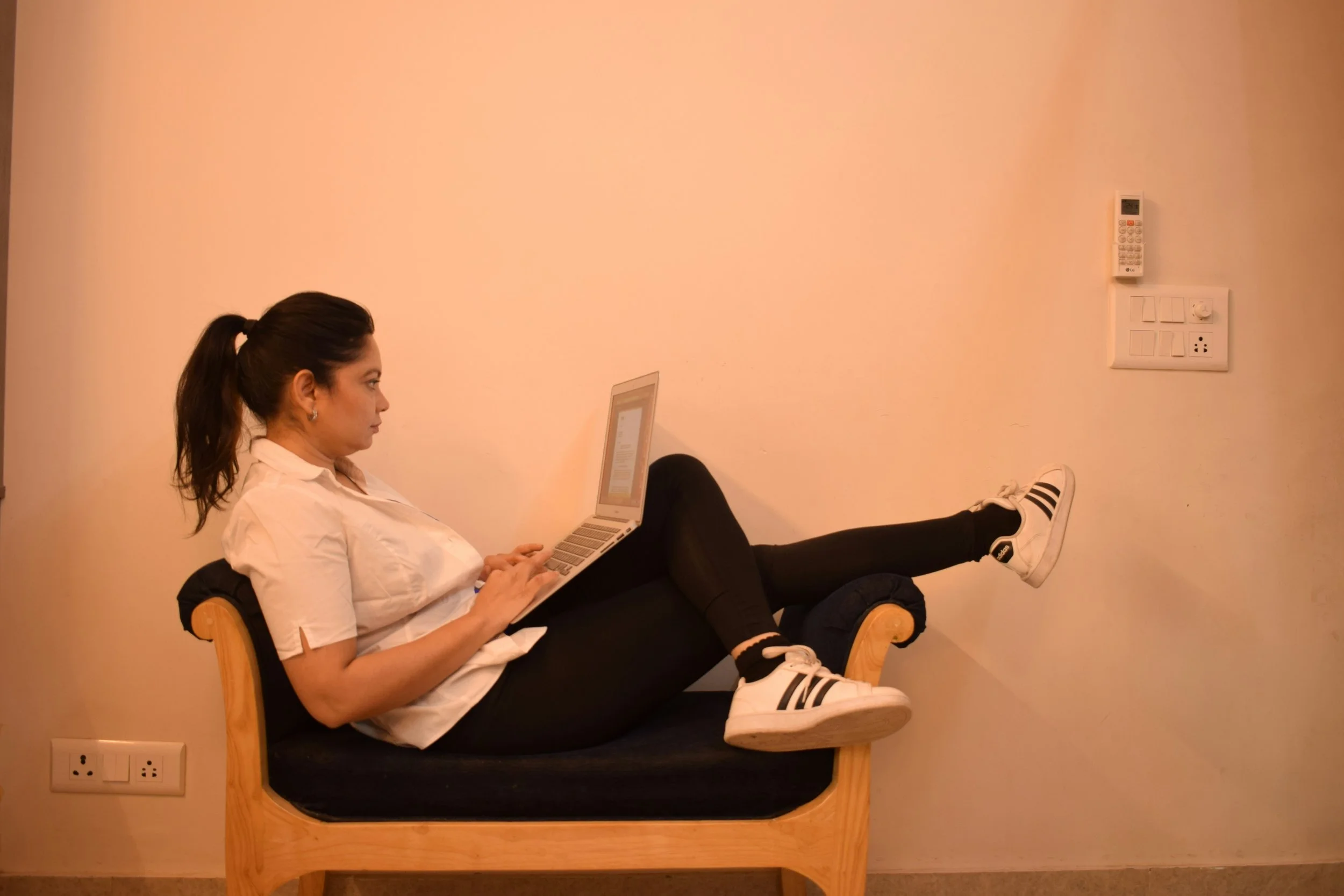
What research tells us about effectiveness
Over the past two decades, a large body of research has compared online psychotherapy with face-to-face therapy. Systematic reviews and meta-analyses consistently show that online therapy can be as effective as in-person therapy for many common mental health difficulties, including anxiety, depression, and general psychological distress.
Research has also looked closely at the therapeutic relationship. The quality of the alliance between therapist and client is one of the strongest predictors of positive outcomes. Studies generally find that people are able to form a strong and meaningful therapeutic relationship online that is comparable to in-person work.
What research cannot tell us is which format will feel right for you as an individual. Studies describe averages. They do not capture how different people experience space, presence, privacy, or emotional safety.
When in-person therapy may be the better fit
In-person therapy can be particularly helpful if you feel more grounded when you leave the house and enter a dedicated, neutral space.
Some people find that being physically present with another person helps them feel more emotionally contained and supported when working with difficult feelings. The shared physical presence can make it easier to stay with emotions that might otherwise feel overwhelming.
For others, the structure of attending sessions in the same room each week matters. Travelling to the session and then leaving again can create a clear psychological boundary between therapy and everyday life. This separation can support focus and reflection, especially when working with complex or intense material.
In-person sessions may also suit you if you value non-verbal communication and sensory presence, or if you find it easier to stay emotionally engaged without the mediation of a screen.
For some people, particularly during periods of acute distress or crisis, being seen in person can offer a greater sense of safety and containment and may be the more appropriate option at that stage.
When online therapy may work better
Online therapy can be a good fit if you feel more able to open up from the comfort of your own space. It is often a realistic option for people with demanding schedules, health difficulties, caring responsibilities, or long commutes.
Being able to attend sessions more easily can support regular attendance, which is an important factor in effective therapy. For some clients, this accessibility makes it more likely that therapy can be sustained over time.
Some people find that being at home reduces self-consciousness and makes it easier to speak freely. For some neurodivergent individuals, the screen can act as a helpful buffer, making eye contact or social interaction feel less overwhelming.
Online work can also offer continuity during periods of change, such as relocation, illness, or work travel, allowing therapy to continue when in-person sessions would be difficult.
Questions that can help you decide
If you are unsure which format might suit you best, it can help to reflect on a few practical and emotional questions.
Do you have a private, quiet space at home where you can speak freely without being overheard, or would a therapy room offer a greater sense of sanctuary?
Do you find it easier to concentrate and reflect away from home, or does being in your own environment help you feel safe enough to be vulnerable?
Which option feels most realistic for you to commit to regularly over time? A form of therapy you can attend consistently is usually more helpful than one that feels ideal in theory but difficult to sustain in practice.
You can revisit the decision
Many people start therapy online and later move to in-person sessions, or the other way around. There is no single correct choice, and the format can change as your needs or circumstances change.
At Heathwell, we are happy to talk this through with you and help you think about whether in-person therapy in Blackheath, serving clients from Greenwich and Lewisham, or online therapy is likely to support you best right now.
If you would like to explore your options, you are welcome to get in touch and we can think it through together.