
Therapy for Narcissistic Abuse in Blackheath Village and Online
Supporting individuals healing from narcissistic relationships and family systems
Narcissistic abuse affects people in ways that are often hidden from the outside but deeply felt on the inside. You may notice chronic self doubt, people pleasing, emotional confusion, guilt or the sense that parts of yourself have slowly disappeared. Many people describe learning to anticipate someone else’s reactions, managing their moods or trying to keep the peace at all times. These experiences can be draining and disorienting, and the effects can last long after the relationship ends.
At Heathwell, we support individuals who are navigating or recovering from narcissistic abuse. We offer a calm and steady space where your experience is taken seriously. Our approach is trauma informed, compassionate and grounded in a clear understanding of relational harm. We work with clients in person in Blackheath and online across the UK and Europe.
Whether you are in the relationship, working out what to do next, rebuilding after leaving or making sense of what you have been through, therapy offers a space to regain clarity and strengthen your sense of self.
What is narcissistic abuse therapy and how can it help
Narcissistic abuse therapy combines trauma informed psychotherapy with clear psychoeducation about narcissistic traits and relational patterns. Many people arrive feeling confused or unsure of what they have experienced. Therapy helps bring stability and understanding, and offers language for experiences that can feel disorienting and difficult to name. Psychoeducation also helps you understand what is happening and why you feel the way you do.
Therapy supports you in three main ways.
Understanding the dynamics
Narcissistic relationships often involve cycles of idealisation, criticism, blame, gaslighting and emotional unpredictability. These patterns can distort your sense of reality and weaken your confidence. Understanding them helps restore clarity and reduces self blame.
Processing the emotional impact
Long term relational stress can lead to anxiety, low mood, chronic guilt or a sense of shame. Therapy offers a confidential and steady environment to explore these emotions safely and at your own pace. This process helps you make sense of your reactions and connect them to the environment you have been living in.
Rebuilding identity and boundaries
Many people describe losing touch with their own needs and preferences. Therapy helps you reconnect with your sense of self, strengthen your boundaries and rebuild emotional steadiness. It also helps you understand why certain situations feel overwhelming and how the relationship has shaped your nervous system and emotional responses.
Approach
Our approach is grounded, steady and delivered by therapists who have both experience and expertise in working with narcissistic abuse. All of our therapists are trauma informed and deeply attuned to the emotional and psychological impact of these relationships. Some of us also bring personal understanding of this area, which allows the work to be held with even greater sensitivity and clarity.
We offer a calm and supportive space where your experience is taken seriously and explored with care. Our work often includes the following.
• Psychoeducation about narcissistic traits and relational trauma
• Understanding gaslighting and its effect on memory and self trust
• Exploring attachment patterns and emotional regulation
• Working with complex feelings such as guilt, shame or anger
• Supporting the development of clear and healthy boundaries
• Addressing the effects of long term emotional invalidation
• Helping you reconnect with your own voice and needs
You can choose to work with one of our therapists who specialises in this area.
Meet our Narcissistic Abuse Therapists
-

Kelly Andrews
PSYCHOTHERAPIST
Approach: Psychodynamic and trauma informed
Availability: Online
-
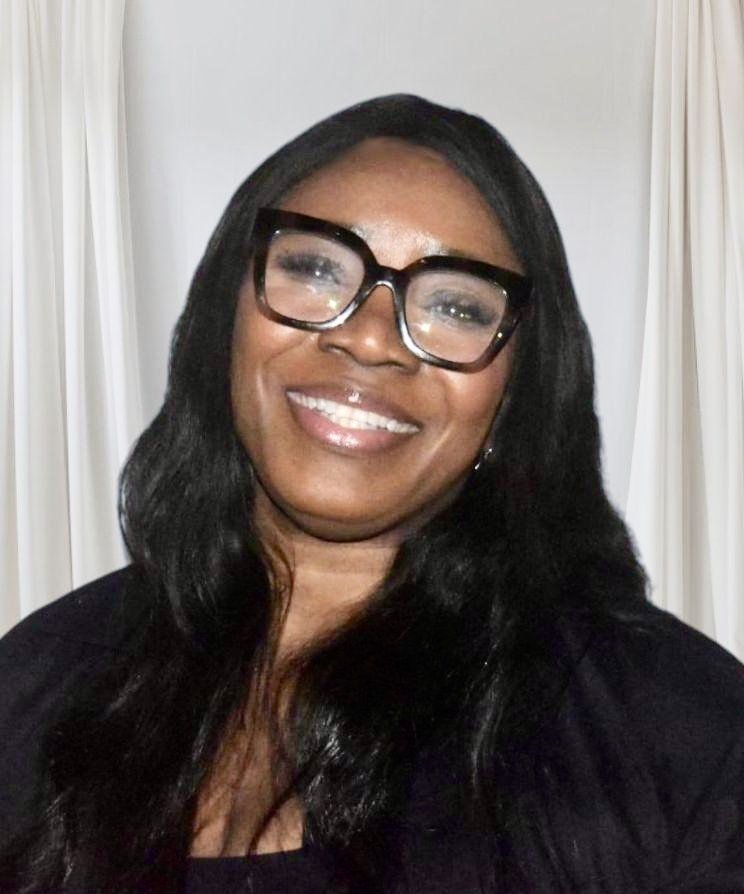
Trish Riley
PSYCHOSEXUAL & RELATIONSHIP PSYCHOTHERAPIST
Approach: Psychosexual & Relational
Availability: In person & online
-

Kellie High
ART THERAPIST & PSYCHOTHERAPIST
Approach: Art therapy, Psychodynamic, Psychoanalytical
Availability: Online & in person
-
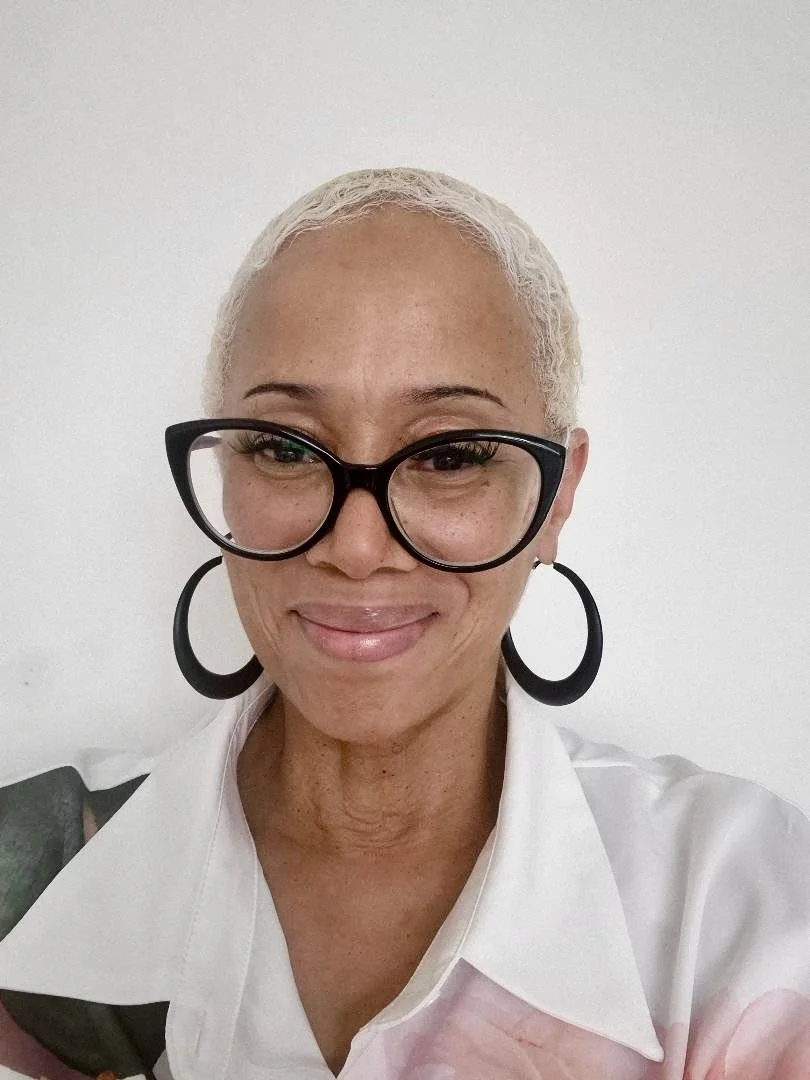
Marcia Edwards
CHILD, ADOLESCENT & FAMILY THERAPIST, PSYCHOTHERAPIST
Approach: Integrative
Availability: Online & in person
-

Jade Flello
PSYCHOTHERAPIST
Approach: Integrative
Availability: Online
-

Elena Miari
RELATIONSHIP THERAPIST & PSYCHOTHERAPIST
Approach: Existential & Integrative
Availability: Online & in person
-

Frances Carpenter
PSYCHOTHERAPIST
Approach: Integrative
Availability: Online
-

Genevieve Walters
COUPLES & RELATIONSHIP THERAPIST, PSYCHOTHERAPIST
Approach: Narative Therapy, Person Centered Therapy, Integrative
Availability: Online

Why people seek therapy for narcissistic abuse
Many people seek support when they notice the impact of narcissistic dynamics in relationships or within their families of origin. You may recognise some of the following experiences.
Feeling criticised, dismissed or blamed
• Doubting your own memory or sense of reality
• Walking on eggshells or monitoring someone’s emotional state
• Feeling responsible for another person’s wellbeing
• Losing confidence or a sense of identity
• Feeling that something is wrong with you
• Struggling to leave a relationship that feels unpredictable or unsafe
• Growing up with a parent who needed admiration, control or emotional compliance
• Experiencing family roles such as the golden child or the scapegoat
• Feeling that love or approval had to be earned
• Repeating familiar patterns in adult relationships
• Living with chronic self doubt, guilt or emotional confusion
These experiences are normal responses to abnormal relational dynamics, and therapy can help you understand how they developed and guide you toward clarity and emotional stability.
Getting started
You are welcome to contact us to arrange an initial consultation with a therapist who specialises in narcissistic abuse recovery. The consultation gives you space to talk about your situation and explore whether therapy feels supportive. There is no obligation to continue.
If you choose to begin therapy, we will work together to shape goals that feel meaningful for you. This might involve building emotional steadiness, breaking longstanding patterns, strengthening boundaries or rebuilding confidence after a period of confusion or self doubt.
Everything you share remains confidential. Our focus is to support you in creating a clearer, steadier and more grounded sense of yourself.
