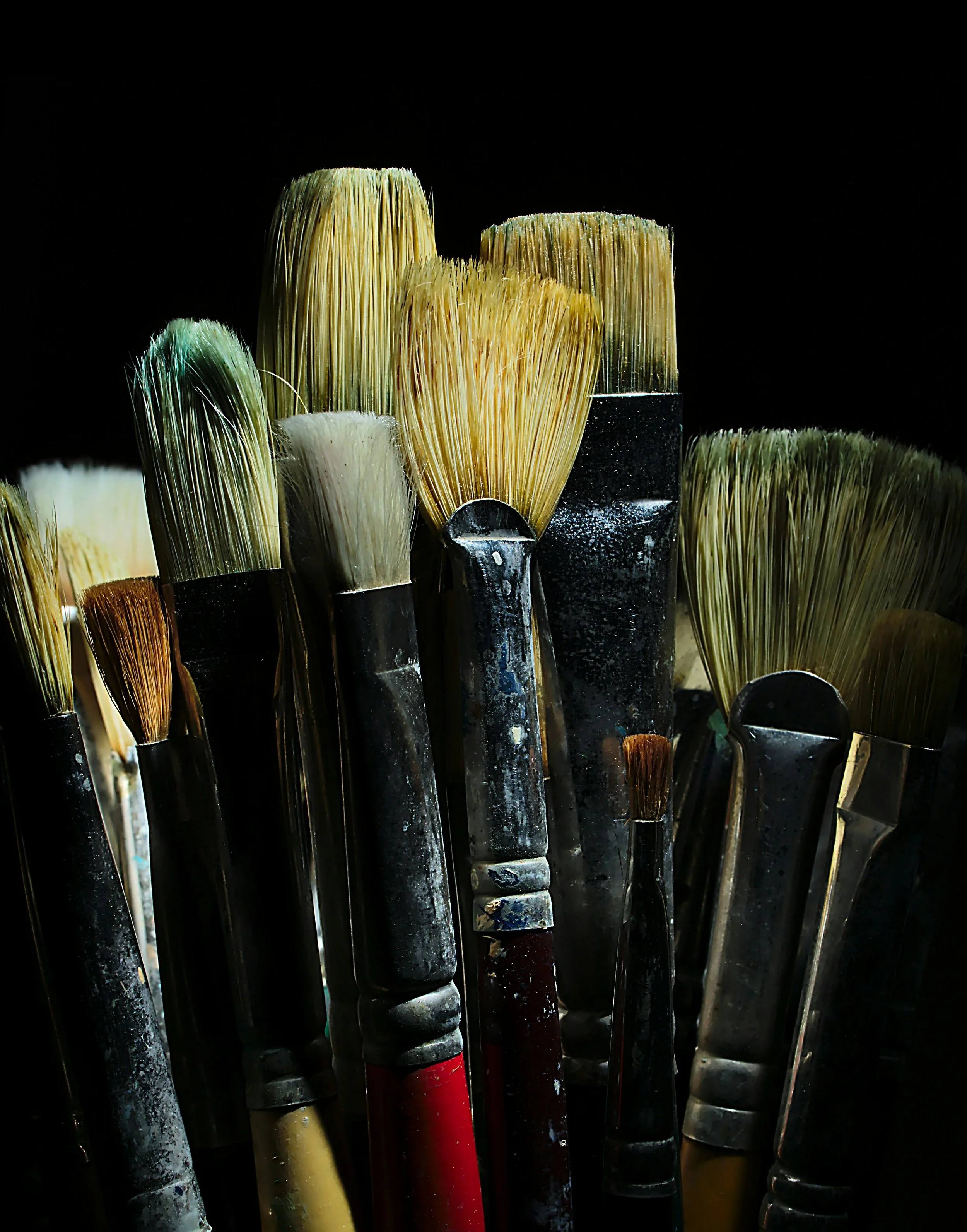
Art Therapy for children, teens and adults in Blackheath Village
Art therapy offers a way of exploring thoughts and feelings that may be difficult to put into words. For some people, talking alone can feel limiting or overwhelming. Working creatively allows experiences to be expressed, held, and reflected on in a different way, often gently and at a pace that feels manageable.
Art therapy does not require artistic skill or confidence. The focus is not on producing something aesthetically pleasing, but on the process of making, noticing, and reflecting. Images, materials, and creative choices can offer access to emotions, memories, and inner experiences that may otherwise remain unclear or unspoken.
Many people describe art therapy as providing a sense of space and containment. The creative process can slow things down, support emotional regulation, and create distance from difficult material, allowing it to be explored with greater safety and curiosity.
How art therapy works
In art therapy, a range of materials such as drawing, painting, collage, or clay are available to use in ways that feel right for you. The emphasis is on the process rather than the outcome, and on what the creative work represents for you within your life, relationships, and inner world.
The artwork is not interpreted in a fixed or prescriptive way. Meanings can be complex and may change over time. The therapeutic relationship is central, providing a safe and reflective space to explore what emerges, whether verbally, visually, or through the experience of making itself.
Art therapy can support greater emotional awareness, self-understanding, and regulation, particularly where experiences feel overwhelming, confusing, or difficult to articulate. This can be particularly helpful when working with unprocessed trauma, defences, and behavioural patterns, especially for individuals with autism, ADHD, and learning disabilities or learning differences, where experiences may be expressed more safely through creative processes than through words alone.
Sessions may be open-ended or focused on particular themes, depending on what feels most helpful at the time. Areas of exploration may include:
Emotional regulation and coping with overwhelm or burnout
Processing difficult or complex experiences where words feel limited
Understanding patterns in relationships, identity, or self-expression through creative work
There is no expectation to share more than feels right. Silence, pauses, and unfinished images are all valid parts of the therapeutic process.
Approach
Art therapy at Heathwell is provided by two HCPC-registered art psychotherapists with extensive experience across NHS, community, educational, and private practice settings. Our therapists bring many years of clinical work with children, young people, adults, and older adults, including individuals with trauma histories, neurodiversity, learning disabilities, and complex emotional needs.
The work is grounded in trauma-informed and psychodynamically informed practice, with a strong emphasis on safety, containment, and the therapeutic relationship. Our art therapists are also attachment-trained, with particular attention to early relational experiences and their impact on emotional development and patterns of relating. The work is person-centred and collaborative, with therapy shaped around the individual’s needs, strengths, and ways of communicating.

Kellie High is an HCPC-registered Art Psychotherapist with over 22 years of experience across NHS, education, social services, and private practice. She works psychodynamically with children, adolescents, adults, and older adults, including neurodivergent clients, individuals with learning disabilities, and those with trauma histories.
Her approach is psychodynamic, trauma-informed, and strongly focused on safety and containment. Through creative and verbal exploration, Kellie supports emotional regulation, self-understanding, and meaningful change across the lifespan.
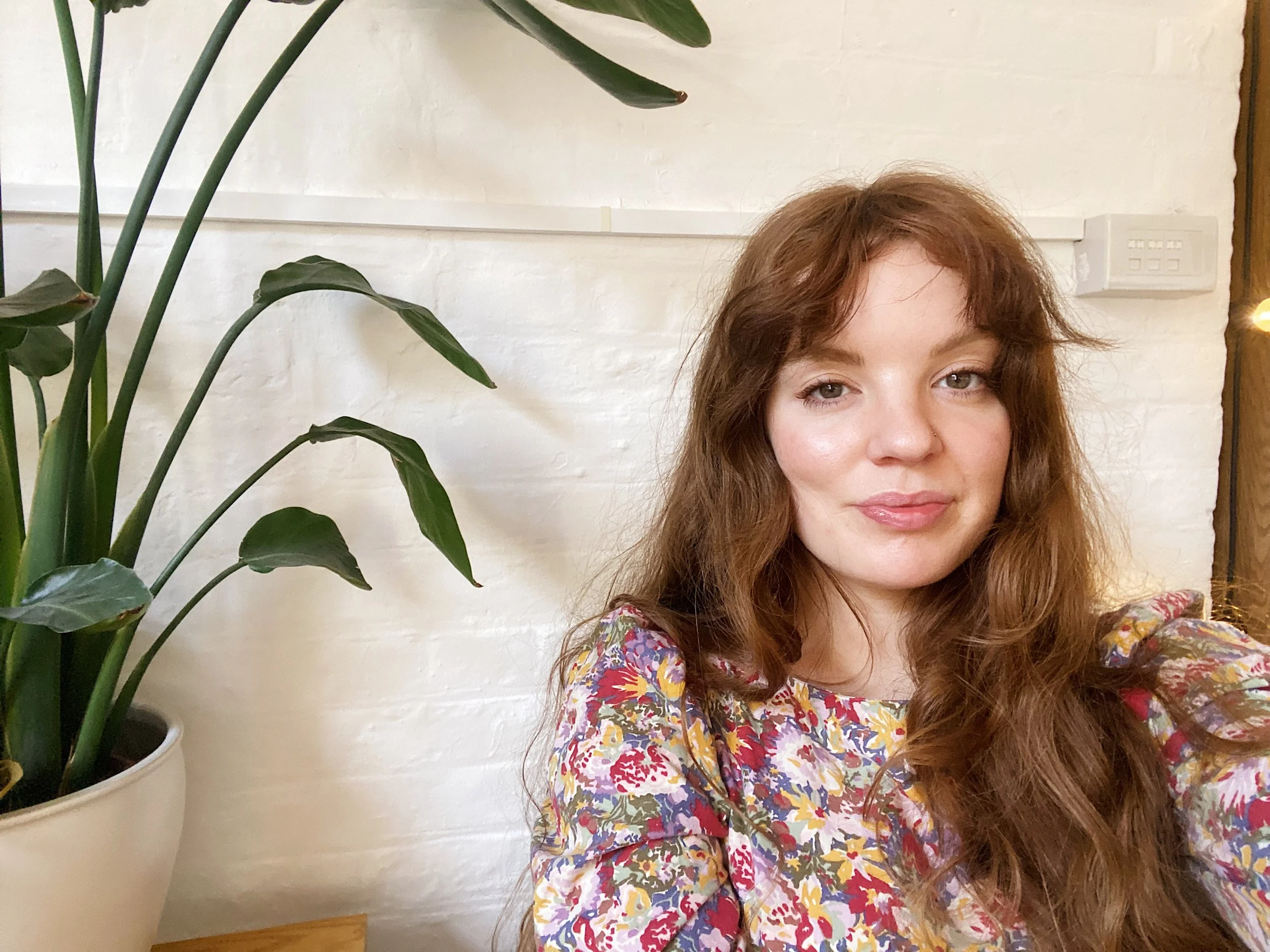
Poppy Oldham is an HCPC-registered and BAAT-accredited Art Psychotherapist with experience in NHS inpatient and community settings, neuro-rehabilitation, and mental health charities. She works psychodynamically with young people, adults, and older adults, including neurodivergent clients and those exploring trauma, identity, and difference.
Her practice is trauma-informed, relational, and neurodiversity-affirming, with attention to social and cultural context. Poppy supports clients to explore meaning, develop emotional insight, and build a more authentic sense of self.
Our art therapists are attentive to the wider social, cultural, and relational contexts that shape emotional experience. The approach is reflective and collaborative, supporting clients to explore meaning, develop emotional regulation, and strengthen a sense of self that feels authentic and sustainable.
Working across the lifespan
Art therapy at Heathwell is available to children, adolescents, adults, and older adults.
For children and young people, art therapy can support emotional expression, regulation, identity development, and processing of difficult experiences. Where appropriate, work may include collaboration with parents or carers.
For adults, sessions often focus on long-standing emotional patterns, trauma histories, identity, relationships, and life transitions.
For older adults, therapy may involve reflection on relationships, loss, changing roles, memory, or unresolved emotional experiences, supporting meaning-making and emotional resilience later in life.
Neurodiversity
Art therapy can support autistic people and people with ADHD by offering a flexible, sensory-aware way of working that does not rely solely on verbal expression. Using materials, images, and creative processes can help regulate emotional and sensory states, support attention and focus, and make internal experiences more accessible.
Sessions are adapted to different processing styles, allowing for varied pacing, structure, and levels of interaction. This can be particularly helpful where talking therapy feels effortful, overwhelming, or insufficient to reflect lived experience.
Creative work can also support understanding emotional defences and behavioural responses that have developed as ways of coping, offering a non-pathologising space to explore these patterns with curiosity and care.
Art therapy also provides a concrete and contained way to explore emotions, relationships, and everyday challenges. Over time, this can strengthen emotional regulation, self-understanding, and confidence in navigating daily life, without aiming to change or normalise autistic or ADHD ways of being.
Acquired brain injury and learning differences
Art therapy can support individuals living with the effects of acquired brain injury or neurological change, such as brain injury following an accident, stroke, illness, or neurological conditions, as well as people with learning differences. Changes in memory, language, attention, or emotional regulation can make traditional talking therapy difficult or tiring.
Creative work offers accessible, non-verbal ways to process experience, supporting emotional expression and regulation where words feel limited or fragmented. Working with images and materials can help organise thoughts, explore feelings, and make sense of experience at a pace that feels manageable.
Art therapy can also support adjustment following injury or diagnosis, including changes in identity, confidence, and relationships. The focus is on emotional wellbeing, agency, and finding ways of navigating daily life that feel sustainable and supportive.
Who art therapy can be helpful for
People seek art therapy for many different reasons. It can be particularly supportive for those who feel overwhelmed, emotionally blocked, or disconnected from their inner experience, or for those who find it easier to express themselves non-verbally.
Art therapy may be helpful if you are experiencing:
Emotional overload, burnout, or chronic stress
Anxiety, low mood, or feelings of numbness
Trauma or experiences that feel difficult to talk about directly
Challenges with identity, self-esteem, or self-expression
Difficulties in relationships or emotional regulation
Periods of transition, loss, or significant life change
A sense of being stuck, disconnected, or unsure how to move forward
Getting started
If you would like to explore whether art therapy might be right for you, you are welcome to get in touch via the contact page, WhatsApp, telephone, or directly through a therapist’s profile.
An initial consultation offers space to talk about what brings you to therapy, how art therapy works, and whether it feels like a good fit for you at this stage.
Art therapy at Heathwell is available in person from Blackheath Village, within easy reach of Greenwich, Lewisham, and Central London, as well as online where appropriate.
