Couples Therapy
in Blackheath Village & Online

Supporting more meaningful and connected relationships
Relationships have the capacity to both heal and wound us. They can be a source of love, connection, meaning, and joy, but also of hurt, conflict, disappointment, and pain. Because our closest relationships matter so deeply, difficulties within them can affect every aspect of our lives.
At Heathwell, couples therapy is at the heart of what we do. Our experienced relationship therapists work with a wide range of relationship difficulties, including high conflict, emotional disconnection, infidelity, intimacy concerns, and neurodiversity.
We work with couples of all ages, backgrounds, cultures, sexual orientations, gender identities, and relationship structures. As an inclusive practice, we are committed to providing a respectful, affirming, and non-judgemental space where all couples can feel understood and supported.
We help couples make sense of what is happening between them, understand the patterns shaping their relationship, and navigate challenges with greater clarity and understanding.
What is couples therapy and how can it help?
Perhaps you find yourselves having the same argument over and over again, only to end up feeling more hurt, frustrated, or misunderstood. Maybe communication has become difficult, intimacy has faded, trust has been broken, or you simply feel more like housemates than partners.
Many couples come to therapy feeling stuck. Despite their best intentions, they find themselves caught in patterns they cannot seem to change on their own.
Couples therapy offers a space to slow these patterns down and understand what may be happening beneath them. Together with your therapist, you can explore the dynamics that have developed in your relationship, better understand what is happening between you, learn new ways of communicating and responding to one another, and make more informed choices about how you want to move forward.
The aim is not to decide who is right or wrong, but to help you better understand yourselves, each other, and the relationship you have created together.

What to expect
In your first session, your therapist will want to understand what has brought you to therapy, how each of you experiences the difficulties in the relationship, and what you hope might be different. Both partners will have the opportunity to share their perspective and be heard.
Your therapist will not take sides, decide who is right or wrong, or act as a referee. Instead, they will help you slow conversations down, explore misunderstandings, identify recurring patterns, and understand what may be happening beneath conflict, distance, or disconnection.
Some sessions may focus on specific challenges such as communication, trust, intimacy, parenting, or the impact of ADHD and neurodiversity. At other times, therapy may explore deeper emotional patterns, attachment needs, or longstanding relationship dynamics.
Many couples arrive feeling anxious, sceptical, or uncertain about therapy. It is also common for one partner to be more motivated than the other. This is entirely normal and does not prevent therapy from being useful.
The pace and focus of the work will depend on your relationship, your goals, and the difficulties you are facing.
Areas we work with
-
Long-term relationships carry a shared history. Over the years, couples can develop patterns of relating that become increasingly difficult to change, particularly when hurt, disappointment, resentment, or unresolved issues have accumulated over time.
Marriage counselling provides a space to step back from recurring arguments and look more closely at what may be happening beneath them. Together, we explore the emotional dynamics, communication patterns, and relational histories that shape your relationship today.
Couples often seek marriage counselling when they are experiencing:
Ongoing conflict that never seems fully resolved
Emotional distance or a loss of connection
Loss of intimacy or affection
Resentment that has built up over time
Trust difficulties, including infidelity or betrayal
Difficulties with extended family, in-laws, or competing family loyalties
Unresolved disagreements about parenting or family life
Uncertainty about the future of the relationship
Feeling more like co-parents, housemates, or colleagues than partners
Looking beyond the immediate problem
Many relationship difficulties are about more than the issue being argued about. Disagreements about parenting, finances, household responsibilities, or intimacy often reflect deeper feelings of hurt, loneliness, rejection, or not feeling understood.
Therapy offers an opportunity to explore these deeper layers, understand the patterns that have developed between you, and create space for more open, honest, and meaningful conversations.
-
You know those arguments that feel like you're reading from a script? Where you can almost predict what your partner will say next, and somehow you always end up in the same frustrating place? These communication cycles can make you feel like you're speaking different languages, even when you're using the same words.
Many couples get trapped in patterns where one person pursues and the other withdraws, or where every conversation becomes about who's right and who's wrong. Often, the surface argument isn't about what you think it's about - when you're arguing about household chores, you might really be expressing feeling unvalued or overwhelmed.
Learning new ways to connect
In therapy, we work on practical skills that can transform how you relate to each other:
• Recognising when you're falling into old, unhelpful patterns and learning to pause
• Understanding what's happening emotionally for both of you beneath the surface argument
• Developing tools for listening that help your partner feel truly heard
• Learning to express your needs and feelings without blame or criticism
• Creating emotional safety so you can have difficult conversations without them becoming destructive
The ripple effect of better communication
When couples learn to communicate more effectively, it changes everything. Suddenly you're able to resolve conflicts that used to go in circles. You feel more connected in daily life because you're both better at expressing appreciation and addressing concerns before they build up.
Communication is the foundation of intimacy. When you can truly hear each other and feel heard in return, it transforms not just how you argue, but how you love.
-
Many couples describe a gradual sense of drifting apart. There may not have been a major crisis or betrayal, yet something feels different. Conversations become more functional, affection decreases, and the emotional closeness that once felt natural becomes harder to find.
You may still care deeply for one another, but feel more like housemates, co-parents, or teammates than romantic partners. Attempts to reconnect can feel awkward, frustrating, or lead to further misunderstandings.
Couples often seek therapy when they are experiencing:
A loss of emotional closeness or connection
Feeling lonely within the relationship
Reduced affection, warmth, or physical intimacy
Difficulties expressing needs, feelings, or vulnerabilities
Feeling unseen, unheard, or unimportant to your partner
Growing emotional distance despite wanting the relationship to work
A sense that the relationship has become focused on responsibilities rather than connection
Rebuilding connection
Emotional disconnection rarely happens overnight. It often develops gradually through life pressures, unresolved conflicts, parenting demands, stress, disappointment, or repeated experiences of not feeling understood.
Therapy provides a space to slow things down and explore what may have contributed to the distance between you. Together, we help couples better understand each other's experiences, communicate more openly, and create opportunities for renewed emotional and physical connection.
The aim is not simply to solve problems, but to help partners reconnect with one another in a way that feels meaningful, authentic, and sustainable.
-
Discovering infidelity can shatter everything you thought you knew about your relationship. Whether it was a one-time mistake, an emotional affair, or a longer-term betrayal, the impact on both partners is profound. You might be feeling anything from rage and devastation to numbness and confusion- all completely understandable responses.
The partner who was betrayed often struggles with intrusive thoughts and difficulty trusting their own judgment. The partner who had the affair may be dealing with guilt, shame, and fear about whether the relationship can be repaired.
What therapy can offer
• We provide a safe space to process what's happened without judgment of either partner:
• Working through the immediate emotional trauma and shock
• Understanding what led to the infidelity, not to excuse it, but to make sense of it
• Learning how to have difficult conversations without causing further damage
• Exploring whether trust can be rebuilt and what that would require
• Helping you both decide what you genuinely want for your future
Moving toward healing or clarity
Some couples are able to work through infidelity and create a stronger relationship than before. Others decide that separation is the healthiest choice. Whether you're hoping to rebuild together or need support in ending things with dignity, therapy offers containment during an incredibly turbulent time.
We help you make thoughtful decisions rather than reactive ones, whatever direction that leads.
-
Supporting neurodivergent couples is one of our core specialisms at Heathwell. Several members of our team have extensive experience working with ADHD, autism, and neurodiversity in relationships, including couples where one or both partners are neurodivergent.
These relationships often bring unique strengths, perspectives, and ways of connecting. They can also present challenges that are easily misunderstood when viewed through a neurotypical lens. Many couples find themselves caught in cycles of misunderstanding, where both partners have good intentions but struggle to understand each other's experiences and needs.
We help couples navigate:
Different communication styles and needs
Emotional regulation and sensory differences
Executive functioning challenges, including organisation, planning, and household responsibilities
Rejection sensitivity, overwhelm, and recurring conflict patterns
Differences in social needs, routines, and expectations
Balancing support, autonomy, and mutual understanding
The impact of ADHD or autism on intimacy and connection
A neurodiversity-affirming approach
Our work is grounded in the understanding that neurodivergence is not something to be fixed. Rather than focusing on deficits, we help couples understand how neurological differences influence communication, emotional experiences, daily life, and relationship dynamics.
Many neurodivergent partnerships have significant strengths, including creativity, authenticity, loyalty, deep interests, and a willingness to challenge conventional ways of relating. Therapy can help couples build on these strengths while developing practical strategies for navigating areas of difficulty.
Whether you are newly exploring the impact of neurodivergence on your relationship or have lived with these differences for many years, we provide informed, compassionate, and practical support tailored to your unique circumstances.
-
Sexual intimacy is one of the most vulnerable aspects of any relationship, yet it's often the hardest to talk about. When things aren't working sexually, it can affect every part of your connection, leaving you feeling rejected, inadequate, or increasingly distant from each other.
Our psychosexual specialists understand that sexual difficulties are rarely just about sex. They're often connected to communication, trust, stress, past experiences, or the natural changes that happen in long-term relationships.
We provide sensitive, non-judgmental support for:
• Loss of sexual desire or significant differences in libido between partners
• Erectile dysfunction, premature ejaculation, or other male sexual concerns
• Vaginismus, painful penetration, or other female sexual difficulties
• Performance anxiety that's affecting your ability to be present and enjoy intimacy
• The impact of past trauma on your sexual relationship
• Navigating how desire changes over time in committed partnerships
A holistic approach to sexual wellbeing
We work with both individuals and couples, recognising that sexual difficulties often require addressing personal and relational factors together. Our approach is grounded in clinical expertise but delivered with warmth and respect. We create a safe space where you can explore these issues without shame or judgment.
Sexual wellbeing is a fundamental part of relationship health, and with the right support, most couples can find their way back to satisfying physical and emotional intimacy.
-
Loving someone from a different cultural or religious background can be one of life's greatest gifts. You get to see the world through completely different eyes, learn new traditions, and create something uniquely your own together. But it can also bring unexpected challenges that other couples might not face.
You might find yourselves navigating different approaches to family relationships, money, career priorities, or how to raise children. Family members might have strong opinions about your relationship, or you might struggle with feeling caught between different worlds.
The complexity beneath the surface
Cross-cultural and interfaith relationships often involve more than just two people, they can feel like negotiations between entire communities, histories, and ways of being in the world. These pressures can create stress that's hard for others to understand, especially when you're trying to honour your heritage while building something new together.
Finding your own path
We provide a respectful space where you can explore these complexities without judgment:
• Understanding how your different cultural backgrounds shape your values and expectations
• Working through conflicts that arise from different approaches to family, money, or spirituality
• Managing pressure from extended family or communities who might not support your relationship
• Creating traditions that honour both of your identities without forcing anyone to choose sides
• Preparing for major decisions like marriage ceremonies or how to raise children
Our therapists have experience working with couples from diverse ethnic, religious, and international backgrounds. The goal isn't to minimise your differences, but to help you navigate them with love, understanding, and practical wisdom.
-
Life has a way of throwing curveballs just when you think you've got things figured out. Major transitions can either bring you closer together or reveal cracks you didn't know were there.
Some changes you choose, like moving cities or deciding to start a family. Others happen to you, unexpected illness, redundancy, or the death of someone you love. Either way, major transitions can leave you feeling like you're figuring out how to be in relationship all over again.
Common transitions that challenge couples
• Taking the leap into parenthood and discovering how much it changes your dynamic
• Career changes, job loss, or financial pressures that shift the balance of your partnership
• Facing illness, chronic conditions, or becoming carers for ageing parents
• Grieving together, whether it's loss of a loved one, miscarriage, or dreams that didn't work out
• Empty nest syndrome when children leave home and you're rediscovering who you are as a couple again
• Major moves, retirement, or other life changes that alter your daily reality
Processing change together
We help couples navigate these turning points with intention:
• Creating space for both of you to process what's changing and what you might be grieving
• Understanding how transitions affect each of you differently
• Renegotiating roles and responsibilities in ways that feel fair and sustainable
• Finding new rhythms that fit your changed circumstances
• Making decisions together about how you want to move forward
While transitions can be stressful, they're also opportunities to deepen your partnership.
-
Sometimes relationships reach a breaking point. A betrayal comes to light, conflict escalates beyond what feels manageable, or one partner begins questioning whether the relationship can continue. During these moments, waiting weeks for support can feel overwhelming.
We often work with couples experiencing:
Escalating conflict and repeated arguments
Emotional withdrawal or complete communication breakdown
Infidelity, betrayal, or a sudden loss of trust
Urgent decisions about separation or the future of the relationship
Parenting conflicts that are affecting family life
Significant life events such as illness, bereavement, trauma, or job loss
Support when you need it most
When availability allows, we offer crisis appointments at short notice for couples who need immediate support.
We also provide Single Session Therapy (SST) and Couples Intensives for those seeking focused support over a shorter period of time. These extended sessions can be particularly valuable during periods of crisis, helping couples gain clarity, address urgent concerns, and make meaningful progress without waiting for weeks of therapy to unfold.
From crisis to clarity
In crisis work, the immediate aim is not to solve everything at once, but to create enough safety and understanding for productive conversations to become possible.
Whether you are hoping to repair the relationship, make sense of a difficult situation, or decide what comes next, therapy can help you move away from reactive decisions and towards thoughtful, informed choices.
The goal is to bring greater clarity, stability, and understanding during a time that may feel uncertain and overwhelming.
-
Having children transforms your relationship in ways you never fully anticipate. Suddenly you're not just partners, you're co-parents navigating sleep deprivation, differing opinions, and the challenge of maintaining your connection while caring for little humans who need you constantly.
Whether you're adjusting to life with a new baby, blending families, or trying to co-parent effectively after separation, these transitions can put enormous strain on even the strongest relationships.
Common challenges we help with
• Finding your rhythm as new parents while maintaining intimacy and connection as a couple
• Managing different parenting styles or values around discipline, screen time, or education
• Feeling like you're constantly negotiating rather than working as a team
• Creating stable, consistent co-parenting arrangements after separation that prioritise your children's wellbeing
• Managing the complex emotions of blended families where children are adjusting to new dynamics
Working together for your children
Good co-parenting isn't about agreeing on everything, it's about communicating effectively, respecting each other's perspectives, and putting your children's needs at the centre of your decisions. We help you develop practical strategies for making decisions together and maintaining consistency even when you don't see eye to eye.
Whether you're raising children together as a couple or co-parenting after separation, we provide non-judgmental support to help you find common ground. Your children benefit most when the adults in their lives can work together with respect and clarity.
-
Some couples find themselves caught in cycles of conflict that seem impossible to escape. Conversations quickly become arguments, small disagreements escalate into major disputes, and attempts to resolve issues often leave both partners feeling hurt, misunderstood, or exhausted.
Over time, these patterns can create resentment, emotional distance, and a growing sense of hopelessness about whether things can ever change.
Couples often seek support when they are experiencing:
Frequent arguments that escalate quickly
Criticism, defensiveness, blame, or withdrawal
Feeling constantly misunderstood or unheard
Difficulties managing anger and strong emotions
Recurring conflicts that never seem fully resolved
Power struggles, control issues, or ongoing tension
Emotional distance following repeated conflict
Understanding the cycle beneath the conflict
High-conflict relationships are rarely just about the topics being argued about. Beneath recurring disputes, there are often deeper feelings of hurt, fear, shame, rejection, loneliness, or unmet emotional needs.
Therapy helps couples slow conflict down and understand the patterns that keep it going. Rather than focusing on who is right or wrong, we help partners recognise how they influence one another, identify triggers, and develop healthier ways of responding during moments of tension.
Moving beyond blame
Many couples arrive feeling trapped in a cycle where each partner sees the other as the problem. Therapy creates an opportunity to move beyond blame and towards a deeper understanding of what is happening between you.
With support, couples can learn to communicate more effectively, manage conflict more constructively, and create greater emotional safety within the relationship. The goal is not to eliminate disagreements, but to help you navigate them in ways that strengthen rather than damage the relationship.

Single Session Couples Therapy
We also offer Single Session Therapy for couples, an intensive, focused approach ideal for those who want support around a specific issue without committing to ongoing therapy.
Single Session Therapy is designed to:
Address one clearly defined concern (e.g. a major decision, recent conflict, parenting disagreement, communication breakdown)
Help couples gain clarity and practical strategies in just one session
Offer a space to reflect, reset, and move forward with a shared understanding
These sessions are structured and goal-oriented, and typically last 110 minutes. They can stand alone or be used as a starting point to decide whether ongoing therapy is right for you.
Couples Intensives
We also offer Couples Intensives for those who would benefit from a more concentrated format than weekly therapy.
Unlike weekly sessions, where important conversations are often paused just as they begin to deepen, intensives provide the time and continuity needed to fully explore a relationship difficulty in one focused piece of work.
Couples Intensives are designed to:
Work through complex issues without the interruptions of weekly therapy
Move beyond surface-level disagreements and explore the deeper dynamics beneath them
Make significant progress on a specific challenge, such as infidelity, trust, conflict, or a major relationship decision
Gain clarity more quickly when a relationship feels stuck or uncertain
Create momentum when previous attempts to address the issue have gone in circles
By spending several hours together, couples have the opportunity to slow down recurring patterns, understand each other's experiences more deeply, and stay with difficult conversations long enough for new perspectives and psibilities to emerge.
Meet our Couples Therapists
-

Marina O'Connor
COUPLES & RELATIONSHIP THERAPIST
Approach: Transactional Analysis and Relational Life Therapy
Availability: Online
Specialisms: Neurodivergent & Mixed Neurotype Relationships, High Conflict Couples, Leadership & High-Performing Couples, Intercultural Relationships, Infidelity Recovery
-
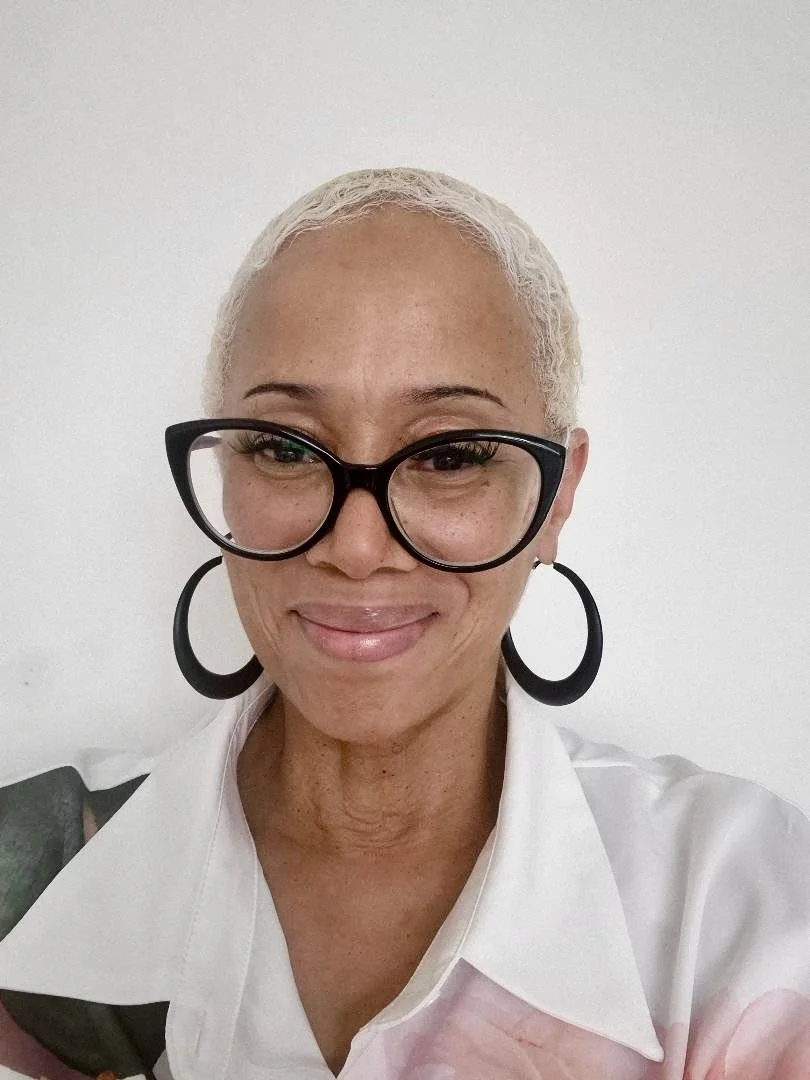
Marcia Edwards
ADOLESCENT & FAMILY THERAPIST, PSYCHOTHERAPIST
Approach: Integrative
Availability: In person & Online
Specialisms: Complex Trauma, Attachment & Early Relational Experiences, Family court related stress, Parenting support and parent infant bonding, Communication difficulties, Emotional distance
-

Arran Knight
COUNSELLOR & COUPLES THERAPIST
Approach: Psychosynthesis, Transpersonal
Availability: In person & Online
Specialisms: Couples therapy, men’s mental health, early childhood experiences, embodiment and somatic awareness
-

Eleanor Wolfe
COUPLES & RELATIONSHIP THERAPIST
Approach: Integrative, Attachment Based
Availability: Online
Specialisms: ADHD, Neurodiversity, and Mixed Neurotype Relationships, Attachment Difficulties, Postpartum and Fertility-Related Difficulties
-
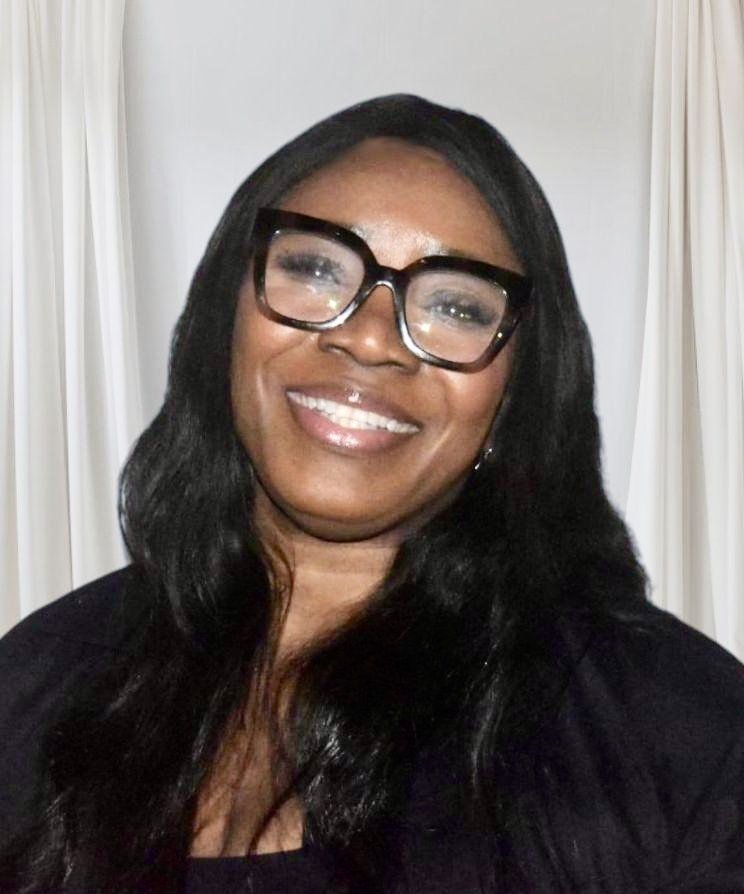
Trish Riley
PSYCHOSEXUAL & RELATIONSHIP PSYCHOTHERAPIST
Approach: Psychosexual & Relational
Availability: In person & Online
Specialisms: High and low sexual desire, Communication challenges, Erectile difficulties, Vaginismus, Dyspareunia, Orgasm problems, Depression, Sex anxiety, Attachment issues, Narcissistic Abuse
-

Genevieve Walters
COUPLES & RELATIONSHIP THERAPIST & PSYCHOTHERAPIST
Approach: Narative Therapy, Person Centered Therapy, Integrative
Availability: Online
Specialisms: Infidelity and betrayal trauma, Narcissistic Abuse, Relational Trauma
-

Edu Hardy
COUPLES THERAPIST & PSYCHOTHERAPIST
Approach: Humanistic & Integrative
Availability: Online
Specialisms: Neurodiversity, Neurodiverse and Mix Neurotype Couples, Expat Support
-

Jacqueline Jones
PSYCHOSEXUAL & RELATIONSHIP THERAPIST, CLINICAL SEXOLOGIST
Approach: Clinical Sexology, Relationship Therapy, Psychosexual
Availability: Online
Specialisms: Couples in Crisis, Infidelity Repair, Women's Sexual Health and Wellbeing, Psychosexual Therapy, Problematic Pornography Use, Sex and Relationship Diversity
-

Julio Cervantes
PSYCHOTHERAPIST & COUPLES THERAPIST
Approach: Person Centred, Integrative, Solution Focused
Availability: Online
Specialisms: Expat & International Clients, Family Therapy, LGBTQ+ Relationships, Ethical Non-Monogamy, Polyamory, Anxiety, Low Mood and Life Transitions
-

Elena Miari
RELATIONSHIP THERAPIST & PSYCHOTHERAPIST
Approach: Existential & Integrative
Availability: In person & Online
Specialisms: Infidelity, Narcissistic Abuse, Relational Trauma, Betrayal, ADHD, Couples Counselling
-

Charisse Peters
COUPLES & PSYCHOSEXUAL THERAPIST, ADHD COACH
Approach: Integrative, Psychodynamic, Attachment Based
Availability: Online
Specialisms: Communication, Neurodiverse and Mixed Neurotype Relationships, ADHD, LGBTQI+ and Gender Diverse Relationships, Cross-cultural & Interracial Couples
-

Shannon Kelly
PSYCHOTHERAPIST & COUPLES THERAPIST
Approach: Integrative
Availability: Online
Specialisms: Neurodivergent and ADHD Relationships, LGBTQIA+, GSRD-Aware and Non-Monogamous Relationships, Communication and Relationship Difficulties
-

Rachael Ward
PSYCHOTHERAPIST & COUPLES THERAPIST
Approach: Systemic, Relational, Family Therapy
Availability: Online
Specialisms: Infidelity & Betrayal, Shame, Relationship Repair, Communication, Couples Therapy for Depression, Intimacy, Psychosexual Difficulties, Emotional Disconnection
-

Ben Dustin
PSYCHOTHERAPIST & COUPLES THERAPIST
Approach: Transactional Analysis
Availability: In person & Online
Specialisms: Men’s mental health, Relationships, Communication, Self-Esteem, Self-Confidence and Imposter Syndrome, Anxiety, Depression and Emotional Wellbeing
