YOUNG PEOPLE (16-18), ADULTS, OLDER ADULTS
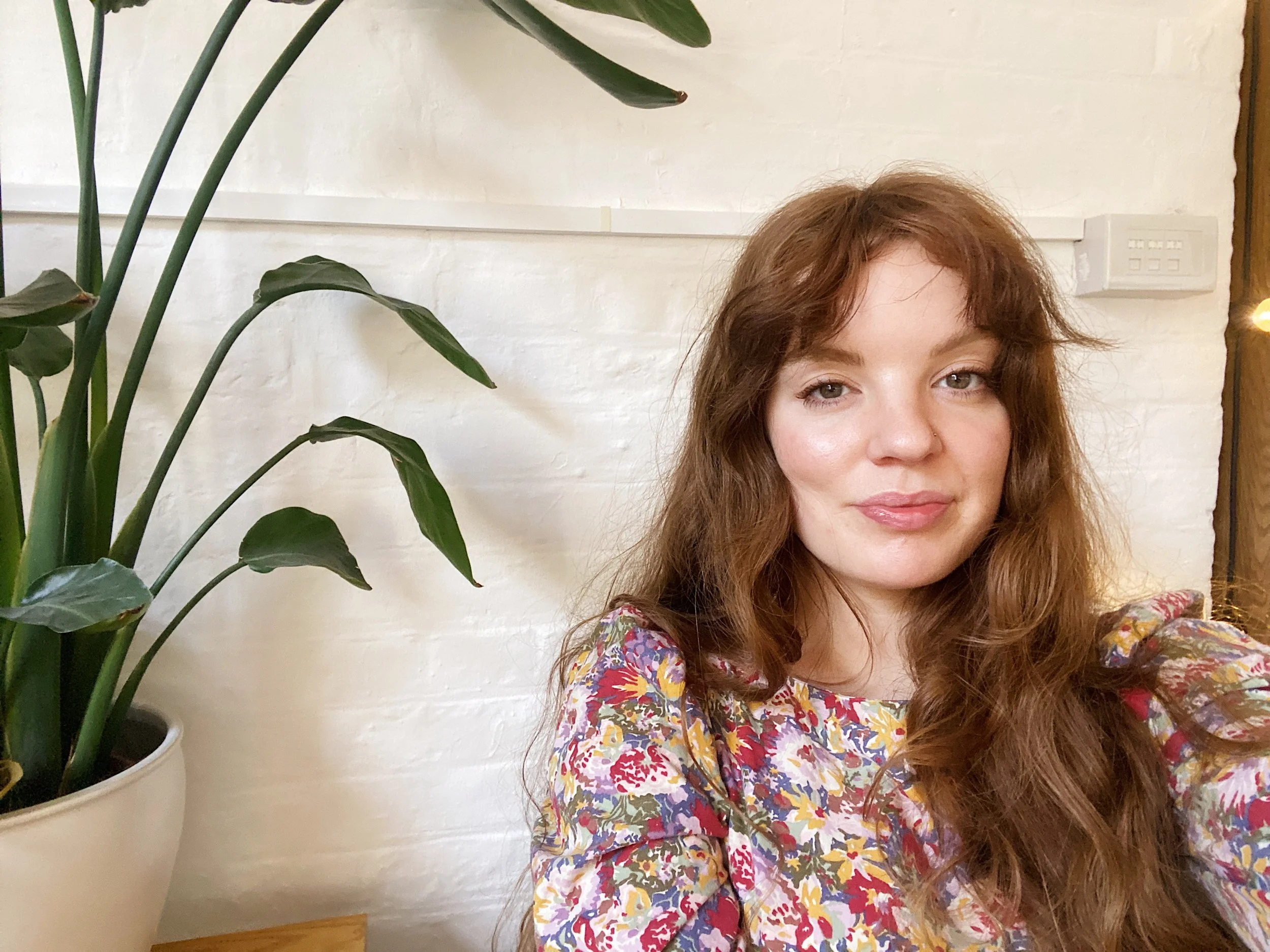
Poppy Oldham
Poppy (she/her) is an accredited art psychotherapist with experience working in the NHS, charity sector and private practice.
She offers highly skilled psychotherapy to adults and young people who are experiencing everything mental and emotional distress, to major life transitions, relationship difficulties and those who may be seeking more meaning in their life.
Poppy offers a warm, compassionate and non-judgemental space where you can explore your experiences openly and at your own pace. Together, you can uncover recurring patterns, make sense of past experiences and develop new ways of understanding and responding to present-day challenges.
She works flexibly, adapting her approach to what feels most helpful for you at different stages of therapy. Alongside talking therapy, she may invite the use of creative and expressive techniques through artmaking, offering another way of exploring thoughts, emotions and experiences that can sometimes be difficult to put into words. No artistic experience is needed, and you will be supported to engage with the process in a way that feels comfortable and meaningful to you.
Professional registration: HCPC & BAAT
Languages spoken: English
Availability: Sundays 09:00 - 15:00 Blackheath & Online
Fee: £90
Poppy's approach and areas of interest
Poppy is a psychodynamic art therapist who offers a warm and accepting space where you can explore difficulties at your own pace. She works with individuals experiencing a wide range of emotional and psychological challenges, including those living with anxiety, depression, experiences of trauma and neurodivergence.
She has experience supporting people through experiences of grief, relationship difficulties and life transitions. Poppy believes therapy should be tailored to the individual. Whether you are seeking support for a specific issue or looking to understand yourself more deeply, she will work collaboratively with you to develop an approach that feels right for your needs and goals.
Her practice is based on social and environmental justice principles. She recognises that many people seeking out a therapist have experienced societal rejection or discrimination and utilises a trauma-informed lens in her work, which acknowledges how different aspects of a person’s identity interact and affect their experiences. As well as operating to a commitment to lifelong learning, she engages in a range of self- reflexive processes to consider the rich cultural and racial experiences of her diverse clients. Her affirmative practice hopes to move away from pathology, recognising the benefits of cultivating joy, goodness and the importance of establishing a more meaningful sense of self.
At the heart of her work is the therapeutic relationship. Poppy values authenticity, trust, honesty and compassion, and believes that meaningful change often emerges through a consistent and supportive relationship. She offers both open-ended psychotherapy and time-limited therapy, depending on your needs and preferences.
As a psychodynamic therapist, Poppy is interested in how past experiences, relationships and unconscious patterns may continue to influence your thoughts, emotions and relationships today. Together, you can explore these patterns, develop greater self-awareness and make sense of difficulties that may have felt confusing or overwhelming.
What is Art Therapy?
Art therapy can support people of all ages and backgrounds, particularly those who have experienced difficult life events, neurodivergence, emotional distress or mental health challenges. It can help when words feel limited and can also deepen engagement for those who rely heavily on verbal expression.
You do not need to be artistic or creative to benefit from art therapy. The focus is not on artistic skill or producing a finished piece of artwork. Instead, art materials are used as another way of exploring thoughts, emotions and experiences that can sometimes be difficult to express through words alone. During sessions, a range of art materials will be available, and you will be free to use them in whatever way you are drawn to.
Art therapy can offer new ways of understanding yourself, your relationships and your emotional world. It can help bring feelings into awareness, deepen self-reflection and create opportunities for insight and change. At times, the process can feel challenging, particularly when difficult emotions or memories emerge. Poppy will support you in exploring the personal meaning of your artwork and experiences, while recognising that you remain the expert on your own life. Her role is to help you make sense of what emerges and support you in finding your own understanding and meaning.
Hearing Voices, Seeing Visions and Unusual Experiences
Hearing voices, seeing visions or having unusual sensory experiences can feel confusing, isolating or frightening, particularly when you worry about how others may respond.
Poppy offers a non-judgemental space where these experiences can be explored openly. Her practice is informed by the Hearing Voices Network approach, which recognises that experiences such as hearing voices or holding unusual beliefs are more common than many people realise and are not always signs of mental illness. She understands that fear, stigma and discrimination can often prevent people from seeking support. Together, you can explore ways of understanding and managing distressing experiences, while also making sense of their personal meaning and significance.
Neurodivergence and Neurodiversity
Poppy works in a neurodiversity-affirming way and has experience supporting autistic people, individuals with ADHD, learning disabilities and acquired brain injuries.
Through her NHS work, she has been part of specialist multidisciplinary teams supporting children and young people with neurodevelopmental differences. She has also worked within a neuro-rehabilitation service supporting people and their families who have been impacted by brain injuries and strokes. For over 5 years throughout her training, she additionally worked as a teacher supporting neurodivergent adults to explore positive wellbeing, mental health, providing people with greater confidence to gain vocational work.
Poppy understands neurodivergence as a natural part of human diversity rather than something that needs to be fixed. Her approach focuses on helping individuals better understand themselves, recognise their strengths, navigate challenges and develop greater self-acceptance.
She can also support clients in identifying practical adjustments, accessing support and advocating for their needs in education, work and everyday life. Her aim is to help people feel able to live more authentically rather than feeling pressure to conform to expectations that do not fit who they are.
LGBTQIA+ Identities
Poppy welcomes LGBTQIA+ clients and offers a trans-affirming therapeutic space where people can explore identity, relationships, mental health and personal growth without judgement. Her practice is trans affirmative, and she has an open mind about gender expansiveness and queer identities.
She recognises that experiences of discrimination, exclusion, misunderstanding or minority stress can have a significant impact on wellbeing. Her aim is to provide a space where clients feel seen, respected and accepted for who they are.
Poppy understands that identity is complex and shaped by many different aspects of our lives and experiences. She works thoughtfully with the unique challenges and strengths that can emerge from these intersecting experiences.
Art therapy can be valuable due to its alignment with queer theory frameworks that resist rigid, binary categorisation. Through creativity and reflection, clients can develop a deeper understanding of themselves and their personal story.
Trauma, Emotional Distress and the Mind-Body Connection
Poppy understands that trauma, stress and emotional pain affect both the mind and the body. Difficult experiences can become held within our nervous system, influencing how we think, feel, relate to others and respond to the world around us. Alongside talking therapy, art therapy offers an opportunity to engage with emotions through movement, creativity and sensory experience. This can sometimes help people access and process feelings that may be difficult to articulate verbally.
Her work supports clients in developing emotional awareness, nervous system regulation and a greater sense of connection to themselves. Through this process, therapy can help reduce internal conflict, build resilience and support lasting emotional change.
Qualifications
MA in Art Psychotherapy, Goldsmiths University
BA in Interactive Arts
CPD and Training
Hearing Voices Network
Mentalisation Based Therapy (Anna Freud Centre)
Environmental Arts Therapy (School of Environmental Arts Therapy)
Reminiscence Arts (Age Exchange)
Dementia Friends (Alzheimer’s Society)
LGBTQIA+ (Gendered Intelligence Training)
Unlearning Racism and Unconscious Bias (The Racial Justice Network)
Decolonising Museum Practice (National Portrait Gallery)
