EMDR Therapy at Heathwell
WHAT IS EMDR THERAPY?
Eye Movement Desensitisation and Reprocessing, known as EMDR, is a psychological therapy that helps people process distressing experiences and lessen their ongoing emotional impact. Developed by the American psychologist Francine Shapiro, it is best known as a treatment for trauma and post-traumatic stress disorder (PTSD), and is recommended by NICE for PTSD.
Difficult experiences can leave memories that still feel vivid and immediate, even years later. Thinking about what happened, or meeting a reminder of it, can bring back intense emotions, physical sensations, or beliefs such as ‘I am unsafe’ or ‘It was my fault.’
EMDR helps the mind work through memories that have become stuck in this way. The aim is not to forget what happened, but to be able to remember it with less distress, so it has less hold over how you feel about yourself, how you relate to others and how you respond to life now.
Heathwell offers EMDR therapy in Blackheath Village and online, for adults, children and young people.

HOW DOES EMDR WORK?
EMDR involves bringing aspects of a distressing memory to mind while engaging in bilateral stimulation: stimulation that alternates between the left and right sides of the body, usually through guided eye movements, tapping or sounds.
The work attends to the memory alongside the emotions, bodily sensations and beliefs connected to it. For example, someone who had a frightening experience in hospital may still feel their body tense at the smell of a ward and carry a belief that they have no control. Processing aims to reduce that distress and allow a different understanding to become more emotionally convincing: that the experience is over, and that they have choices now.
EMDR has a strong research base as a treatment for trauma. Researchers continue to explore exactly why it works; one leading view is that it helps the mind complete the processing of memories that have become stuck.
Bilateral stimulation is only one part of EMDR. The therapy sits within a careful framework of assessment, preparation, pacing and review, so that difficult memories are approached at a pace that feels manageable.
Why consider EMDR?
Knowing that something is over does not always make it feel over. You might understand an experience intellectually, yet still react with fear, shame, anger or helplessness when something reminds you of it.
Someone who was bullied may know that the people around them now are different, yet still feel overwhelmed by criticism. After an accident, a person may understand that travelling is usually safe, yet still feel panic every time they get into a car. Following a betrayal, a notification on a partner’s phone may bring back the shock of discovery.
EMDR offers a way of addressing the distress attached to these memories and reminders. The intention is to create more distance between what happened then and what is happening now, so that you can respond to the present rather than the past. Your therapist will talk with you about whether EMDR is the right approach for you.
What is EMDR used for?
EMDR is most firmly established as a treatment for post-traumatic stress disorder (PTSD), which can develop after exposure to traumatic events. Difficulties may include intrusive memories, nightmares, flashbacks, avoidance of reminders and feeling persistently on guard. Some people also experience guilt, emotional numbness or a sense of disconnection.
EMDR may also help with other difficulties where distressing memories sit at the heart of the problem, and a trained EMDR therapist can assess whether it is suitable for you.
Experiences that might bring someone to EMDR include:
Physical or sexual assault
Childhood abuse or neglect
Domestic abuse and controlling relationships
Serious accidents or witnessing frightening events
Distressing medical experiences
Birth trauma
Bullying, humiliation or repeated criticism
Traumatic bereavement or distressing circumstances surrounding a death
People respond to these experiences in very different ways. What matters is not whether an event seems ‘serious enough’, but how much it continues to affect you now. Where someone has experienced prolonged abuse or multiple traumatic events, therapy usually includes more preparation and a broader plan that takes account of emotional regulation, relationships and current circumstances.

Who is EMDR for?
EMDR can be used with adults, young people and children. You do not need a clear account of what happened, or to know which memories matter most, before getting in touch.
Some people come to EMDR in the weeks or months after a distressing event. Others seek help years later, when earlier experiences continue to affect their confidence, relationships or ability to feel safe. EMDR may be offered as focused work or as part of broader psychotherapy.
Part of assessment is making sure you can stay sufficiently grounded when approaching difficult memories. If you experience significant dissociation, or are going through a period of crisis, your therapist may suggest additional preparation before any processing begins.
EMDR for children and young people
Children and young people can experience distressing memories that affect their sleep, concentration, confidence, friendships and family life. They may become fearful of reminders, avoid activities or struggle to explain why they feel upset.
EMDR can be adapted to a child’s age, development and way of communicating. Therapists with specialist child and adolescent training may use simple language, drawing, play or stories to support the work.
It may be considered after experiences such as bullying, accidents, abuse, frightening medical procedures or witnessing traumatic events. Because changes in behaviour can have many explanations, assessment looks at the child’s wider circumstances, and parents or carers are usually involved in planning the work.
At Heathwell, EMDR for children and young people is offered by Jessica. You can read more about her approach on her profile, or get in touch and we will help you decide whether EMDR is the right next step for your child.
What happens to difficult memories in EMDR?
You do not need to describe everything that happened. Your therapist needs enough information to understand your concerns and plan the work, but EMDR does not depend on a detailed spoken account. Processing can focus on images, sensations and emotions rather than retelling every detail, which many people find a relief when some experiences are hard to put into words. EMDR does still involve approaching difficult material, so the work moves at a pace you can manage.
Nor does EMDR erase memories or change the facts of what happened. It aims to reduce the distress attached to them. You may still remember an event clearly, but feel less overwhelmed, less responsible for something that was not your fault, or more able to recognise that the danger has passed.
Starting EMDR at Heathwell
Heathwell has three EMDR therapists: two offer sessions in person at our clinic in Blackheath Village, within easy reach of Greenwich and Lewisham, and one works online. Online EMDR follows the same framework, with bilateral stimulation adapted for the screen, for example by following movement on screen or using self-tapping. You will need a private space and a reliable connection, and your therapist will consider with you whether online work suits your situation.
The length of therapy varies. Work on a single event can sometimes be relatively brief, while repeated trauma or several connected experiences usually need longer. Time is also spent understanding your concerns and preparing before processing begins. Your therapist will discuss an initial plan with you and review it as the work develops.
Our EMDR therapists have different clinical backgrounds, specialist interests and experience with particular age groups. Relevant expertise matters alongside EMDR training, especially when seeking support for childhood trauma, betrayal, relationship abuse or difficulties affecting children. You can explore their profiles below, or contact us to arrange an initial consultation. If you are unsure who to choose, we are happy to help you find someone whose experience fits your concerns.
Meet our EMDR Therapists
-

Sabrina Ali-Bradshaw
CBT PSYCHOTHERAPIST, EMDR THERAPIST & SUPERVISOR
Approach: CBT & EMDR
Availability: In person & Online
Specialisms: Trauma, PTSD, Anxiety, Depression, Self-esteem, Imposter Syndrome, Women’s Mental Health, Menopause, PMDD
-

Jessica Di Mascio
COUNSELLOR & EMDR THERAPIST
Approach: Integrative & EMDR
Availability: In person & Online
Specialisms: Trauma, EMDR (Children & Adults), Attachment, Childhood Experiences, Perfectionism, Performance Anxiety, Neurodivergence, Identity, Self-Acceptance
-
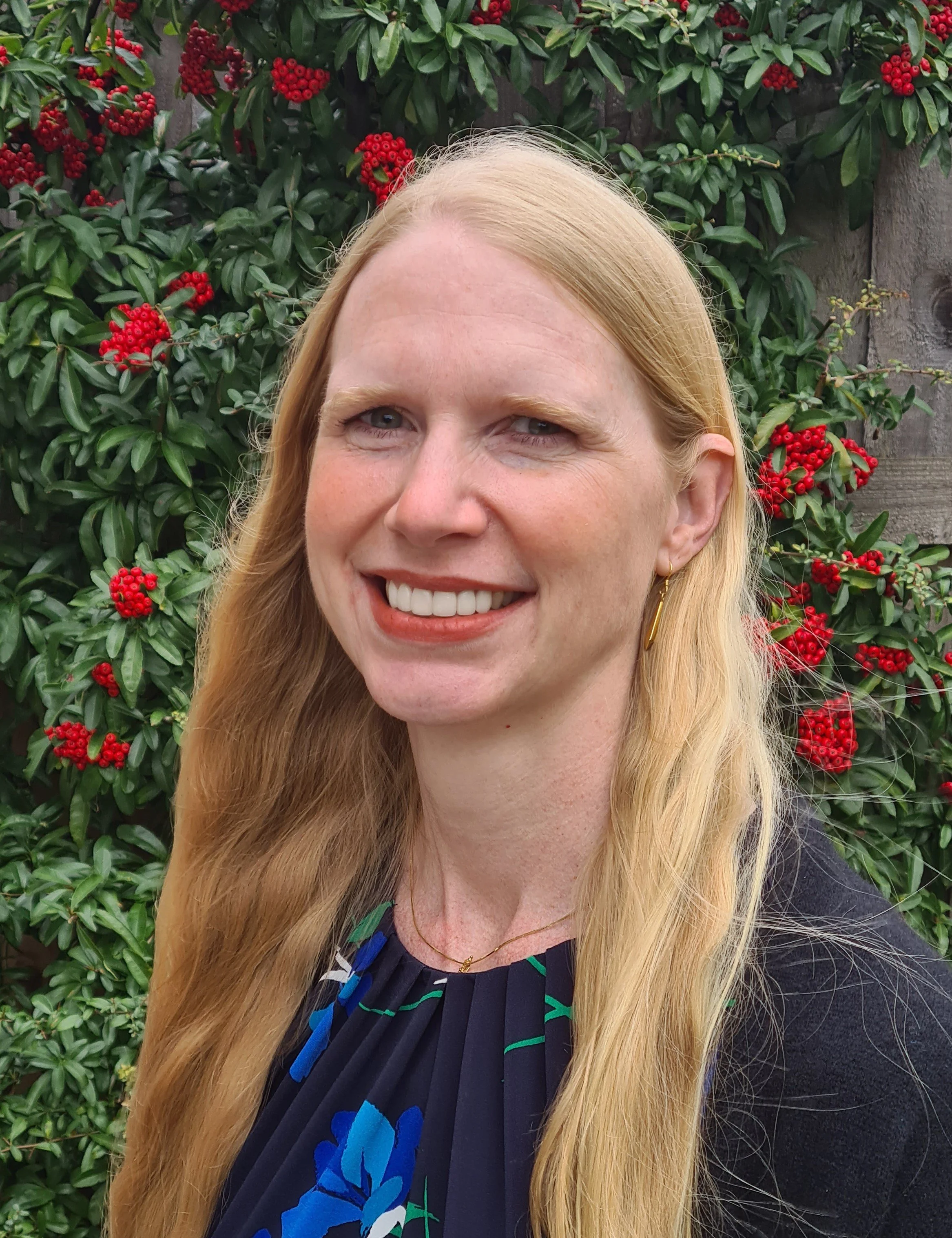
Anita Jacob
PSYCHOTHERAPIST & COUPLES THERAPIST, EMDR THERAPIST
Approach: Psychodynamic, Humanistic, Attachment Based, EMDR
Availability: Online
Specialisms: Infidelity and Affair Recovery, Relational Trauma, Family Estrangement and Reconciliation, Cross-Cultural Relationships and Christian Couples
