Person Centred Therapy at Heathwell
ABOUT PERSON CENTRED THERAPY
Other people’s expectations can become so familiar that it is difficult to distinguish them from your own wishes. You might feel responsible for keeping everyone happy, question whether your feelings are reasonable or struggle to make decisions without someone else’s approval.
Person-centred therapy offers space to explore your experience and develop a clearer sense of what matters to you. Developed by psychologist Carl Rogers, it is a humanistic approach based on the belief that people have the capacity to grow and find their own direction when they feel understood and accepted.
Your experience is central to the work. This includes feelings you find difficult to explain, parts of yourself you tend to hide and questions for which you do not yet have answers

UNDERSTANDING YOURSELF BEYOND OTHERS’ EXPECTATIONS
We learn about ourselves through our relationships. When approval seems to depend on being helpful, successful, agreeable or undemanding, we may begin to judge ourselves by those standards. Feelings and needs that do not fit can become difficult to acknowledge.
You might agree to something you resent, dismiss your hurt because someone else has had it worse, or continue along a path that no longer feels right. Over time, the distance between your experience and what you believe you should feel can contribute to anxiety, shame or dissatisfaction.
Person-centred therapy gives attention to this tension. Feeling able to recognise and express your experience can help you understand your choices, approach yourself with less criticism and consider how you want to relate to others.
What can person centred therapy help with?
Common reasons for seeking person-centred therapy include:
Relying on others’ approval to feel good about yourself.
Finding it difficult to say what you need or disagree openly.
Feeling that you have to hide parts of yourself to be accepted.
Shame or self-doubt following criticism, rejection or emotional neglect.
Uncertainty about your identity, values or sexuality.
Feeling responsible for other people’s happiness.
Struggling to make decisions you can trust.
Losing touch with your own wishes within relationships, family life or work.
These concerns can be particularly relevant after narcissistic abuse or relational trauma, when repeated criticism, control or dismissal may have undermined trust in your own feelings and judgement. They can also arise for neurodivergent adults who have spent years masking or trying to meet expectations that leave little room for their needs.
Person-centred therapy offers space to explore how these experiences have affected your sense of self and relationships. If you are seeking support in these areas, our therapists’ profiles identify those with relevant specialist training and clinical experience.
A RELATIONSHIP BUILT ON EMPATHY AND ACCEPTANCE
The therapeutic relationship is central to person-centred therapy. Rogers identified empathy, unconditional positive regard and congruence as important conditions for therapeutic change.
Empathy means seeking to understand your experience from your perspective. Unconditional positive regard means valuing you as a person, including when you are struggling with feelings or choices you find difficult to accept. Congruence refers to the therapist being genuine within the professional relationship.
These qualities can make it easier to explore experiences associated with shame, criticism or rejection. Acceptance also leaves room to examine difficult patterns, take responsibility and consider change.
Our person-centred therapists at Heathwell
Explore the profiles below to meet our person-centred therapists and learn about their experience, areas of interest and training. Person-centred therapy may be their main approach or form part of their integrative practice.
Appointments are available in Blackheath Village, near Greenwich and Lewisham, and online across the UK and internationally. Please check individual profiles for locations and availability.
To arrange an initial consultation, contact us with the name of the therapist you are interested in. You are also welcome to speak with us first if you have questions or would like help choosing.
-
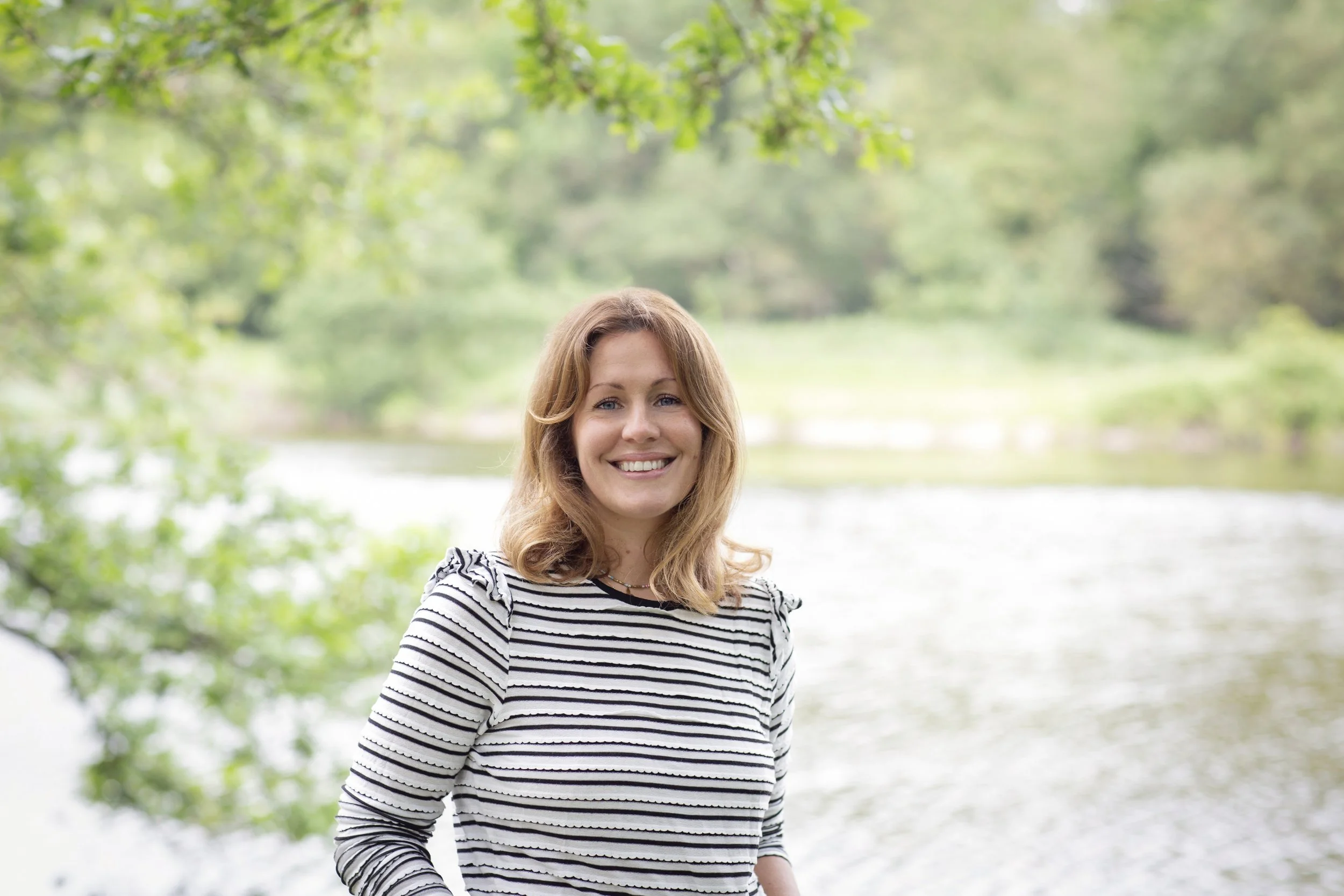
Gemma Capocci
COUNSELLOR & PSYCHOTHERAPIST
Approach: Person-centred, Acceptance and Commitment Therapy (ACT), Compassion-Focused Therapy (CFT)
Availability: In person & Online
Specialisms: Perinatal Mental Health, Motherhood, Identity and Emotional Wellbeing, Pregnancy, Birth and Birth Trauma, Women’s Mental Health
-

Edu Hardy
COUPLES THERAPIST & PSYCHOTHERAPIST
Approach: Humanistic & Integrative
Availability: Online
Specialisms: Neurodiversity, Neurodiverse and Mix Neurotype Couples, Expat Support
-

Genevieve Walters
COUPLES & RELATIONSHIP THERAPIST & PSYCHOTHERAPIST
Approach: Narative Therapy, Person Centered Therapy, Integrative
Availability: Online
Specialisms: Infidelity and betrayal trauma, Narcissistic Abuse, Relational Trauma
-

Julio Cervantes
PSYCHOTHERAPIST & COUPLES THERAPIST
Approach: Person Centred, Integrative, Solution Focused
Availability: Online
Specialisms: Expat & International Clients, Family Therapy, LGBTQ+ Relationships, Ethical Non-Monogamy, Polyamory, Anxiety, Low Mood and Life Transitions
-
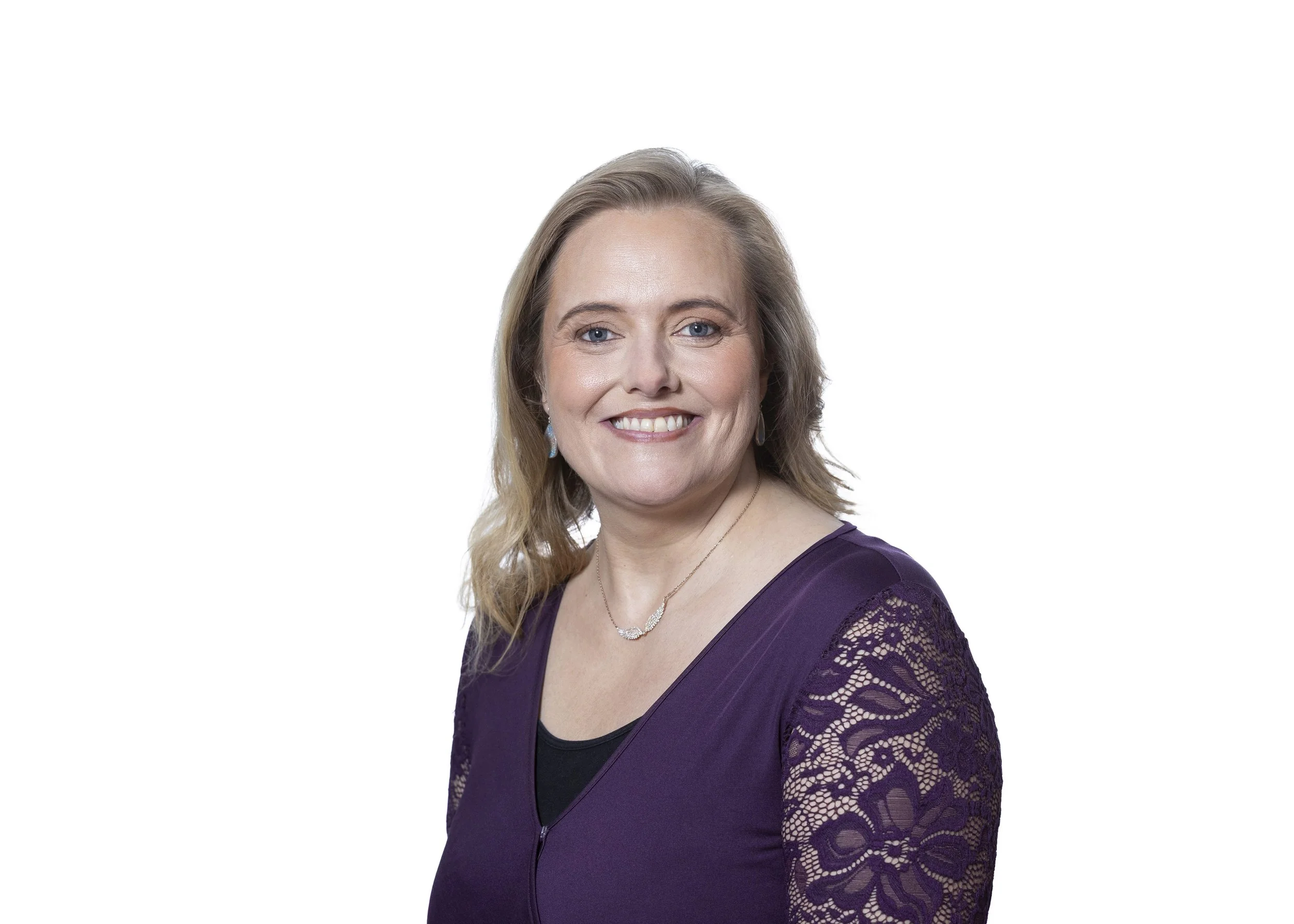
Ger Dunne
PSYCHOTHERAPIST
Approach: Person-centred, Neuro-affirming,
Availability: Online
Specialisms: Autism and Neurodivergence, Masking, Autistic Burnout, Anxiety, Emotional Regulation, Relationships, Workplace Stress and Wellbeing
