Attachment Based Therapy at Heathwell
WHAT IS ATTACHMENT-BASED THERAPY?
Attachment-based therapy explores how experiences of care and closeness influence what we expect from relationships. It considers how we seek support, respond to separation and manage the possibility of rejection or disappointment.
Attachment theory developed from the work of John Bowlby and Mary Ainsworth. It describes the importance of dependable relationships in helping us feel secure enough to explore the world, manage distress and turn to others when we need them.
If care was inconsistent, asking repeatedly for reassurance may have become a way to maintain contact. If expressing needs brought dismissal or criticism, managing alone may have felt safer. These expectations can continue into adult relationships, although later experiences can also change them.
Attachment-based therapy can inform individual therapy, couples therapy and work with children and families. It is a perspective used within several therapeutic approaches, so practitioners differ in how they apply it.

How attachment patterns affect relationships
Attachment patterns describe what we have learned to expect when we need someone: whether they will respond, whether our feelings will be welcome and whether depending on them feels safe. These expectations influence how we interpret another person’s behaviour and what we do when closeness feels uncertain.
Secure attachment involves a basic expectation that support is available and that having needs does not threaten the relationship. Someone can usually seek comfort, allow a partner independence and work through disagreement without assuming the relationship is ending. Security does not mean never feeling jealous, hurt or anxious; it means having enough trust to address those feelings.
Anxious attachment involves uncertainty about whether another person will remain available. Someone may become highly attentive to delayed replies, changes in tone or signs of distance. Seeking reassurance can bring relief, but if the underlying expectation is that care might disappear, the relief may not last. Repeated checking or attempts to restore contact can then place strain on the relationship.
Avoidant attachment involves learning to limit dependence on others, often because seeking comfort has felt unhelpful, unwelcome or intrusive. Someone may minimise their needs, rely heavily on themselves or pull away when emotions become intense. This can protect them from feeling exposed or disappointed, while making it difficult for a partner to know them or offer support.
Fearful or disorganised attachment patterns can involve wanting closeness while also experiencing it as threatening. A person might reach for reassurance and then distrust it, or become frightened when someone gets close and equally distressed when they step back. Terminology differs between childhood and adult attachment models, but the central difficulty is that the relationship can feel like both a source of comfort and a source of danger.
These patterns are ways of understanding experience, rather than diagnoses or permanent personality types. Someone may feel relatively secure with a dependable partner and much more anxious in an unpredictable relationship. Attachment-based therapy explores both the expectations you bring and how people are actually responding to you now.
Attachment-based work in couples therapy
Couples can become caught in a cycle where each person’s attempt to feel safer increases the other’s distress. One partner wants immediate reassurance after an argument. The other feels overwhelmed and pulls away. The first becomes more urgent, and the second retreats further.
An attachment perspective examines what each response means to the person experiencing it. The urgency may reflect fear that the relationship is at risk. The withdrawal may reflect an expectation that staying engaged will lead to criticism or further conflict.
Understanding this can help partners express what is happening more clearly and consider responses that address both people’s needs. It also brings attention to practical reliability: whether agreements are kept, concerns are taken seriously and partners return to difficult conversations.
This perspective can be relevant to recurring conflict, emotional distance, intimacy difficulties and rebuilding trust after infidelity and betrayal. An attachment explanation does not excuse harmful behaviour or make both partners equally responsible for it.
Why choose attachment-based therapy?
Attachment-based therapy may appeal if relationships repeatedly leave you anxious, trapped, disconnected or unsure of your own needs. It can help explain why closeness is something you want but also find difficult to manage.
Reasons for seeking support include:
Needing frequent reassurance that someone still cares.
Feeling intensely unsettled by separation or uncertainty.
Withdrawing when a relationship becomes emotionally important.
Finding it difficult to ask for help or accept support.
Staying in unsatisfying relationships because leaving feels unbearable.
Interpreting disagreement as rejection.
Feeling responsible for preserving closeness at the expense of your boundaries.
Struggling with trust following relational trauma, narcissistic abuse or inconsistent care.
The work considers how earlier expectations influence present relationships while also examining whether your current relationships are dependable and respectful. Anxiety can reflect an old expectation, a partner’s actual unreliability or a combination of both.
Developing greater security involves more than understanding your history. It can include recognising needs sooner, tolerating some uncertainty, expressing boundaries and choosing relationships in which support is reciprocal. For children and young people, attachment-informed work also considers their developmental needs and relationships with caregivers.
Trauma-informed therapy at Attachment-based therapy at Heathwell
Our attachment-informed therapists incorporate an understanding of attachment into their wider therapeutic approaches.
Appointments are available in Blackheath Village, near Greenwich and Lewisham, and online across the UK and internationally, depending on the practitioner.
Contact Heathwell to arrange an initial consultation or ask for help choosing a therapist whose experience relates to your concerns.
Meet our attachment-informed therapists below.
-

Ricardo da Costa
PSYCHOTHERAPIST
Approach: Psychodynamic
Availability: In person & Online
Specialisms: Attachment, Adolescent Therapy, Parent work, Addictions, Childhood Trauma, Anxiety and Depression
-

Sarah Bastianello
PSYCHOTHERAPIST
Approach: Psychodynamic
Availability: In person & Online
Specialisms: Early Attachment, Adolescent Therapy, Relational Difficulties, Infidelity & Betrayal Trauma, Low mood, Childhood trauma, Supporting parents with children who have additional needs.
-

Dr. George Samoilis
PSYCHOLOGIST
Approach: Integrative, Psychodynamic, Relational
Availability: In person
Specialisms: Male mental health, LGBTQI+, Neurodiversity (Autism & ADHD), Anxiety, Depression
-

Kellie High
ART THERAPIST, PSYCHOTHERAPIST & SUPERVISOR
Approach: Art therapy, Psychodynamic, Psychoanalytical
Availability: In person & Online
Specialisms: Trauma and Emotional Wellbeing, Women’s mental health, Children’s Mental Health, Learning difficulties, Life transitions
-
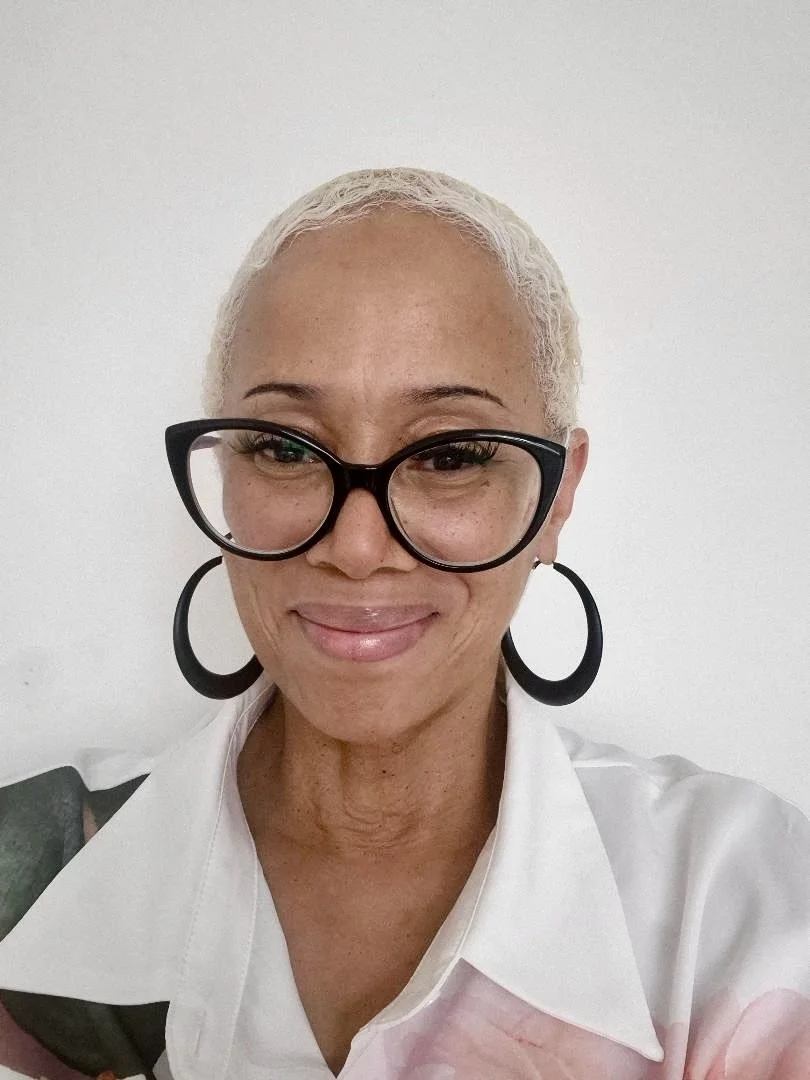
Marcia Edwards
ADOLESCENT & FAMILY THERAPIST, PSYCHOTHERAPIST
Approach: Integrative
Availability: In person & Online
Specialisms: Complex Trauma, Attachment & Early Relational Experiences, Family court related stress, Parenting support and parent infant bonding, Communication difficulties, Emotional distance
-

Emma Nagle
PLAY THERAPIST
Approach: Play therapy
Availability: In person
Specialisms: Neurodivergent Children, Parent and Child Attachment Work, Trauma, Domestic Abuse, Safeguarding, Anxiety, Anger and Emotional Regulation
-

Charisse Peters
COUPLES & PSYCHOSEXUAL THERAPIST, ADHD COACH
Approach: Integrative, Psychodynamic, Attachment Based
Availability: Online
Specialisms: Communication, Neurodiverse and Mixed Neurotype Relationships, ADHD, LGBTQI+ and Gender Diverse Relationships, Cross-cultural & Interracial Couples
-

Eleanor Wolfe
COUPLES & RELATIONSHIP THERAPIST
Approach: Integrative, Attachment Based
Availability: Online
Specialisms: ADHD, Neurodiversity, and Mixed Neurotype Relationships, Attachment Difficulties, Postpartum and Fertility-Related Difficulties
-

Shannon Kelly
PSYCHOTHERAPIST & COUPLES THERAPIST
Approach: Integrative
Availability: Online
Specialisms: Neurodivergent and ADHD Relationships, LGBTQIA+, GSRD-Aware and Non-Monogamous Relationships, Communication and Relationship Difficulties
-
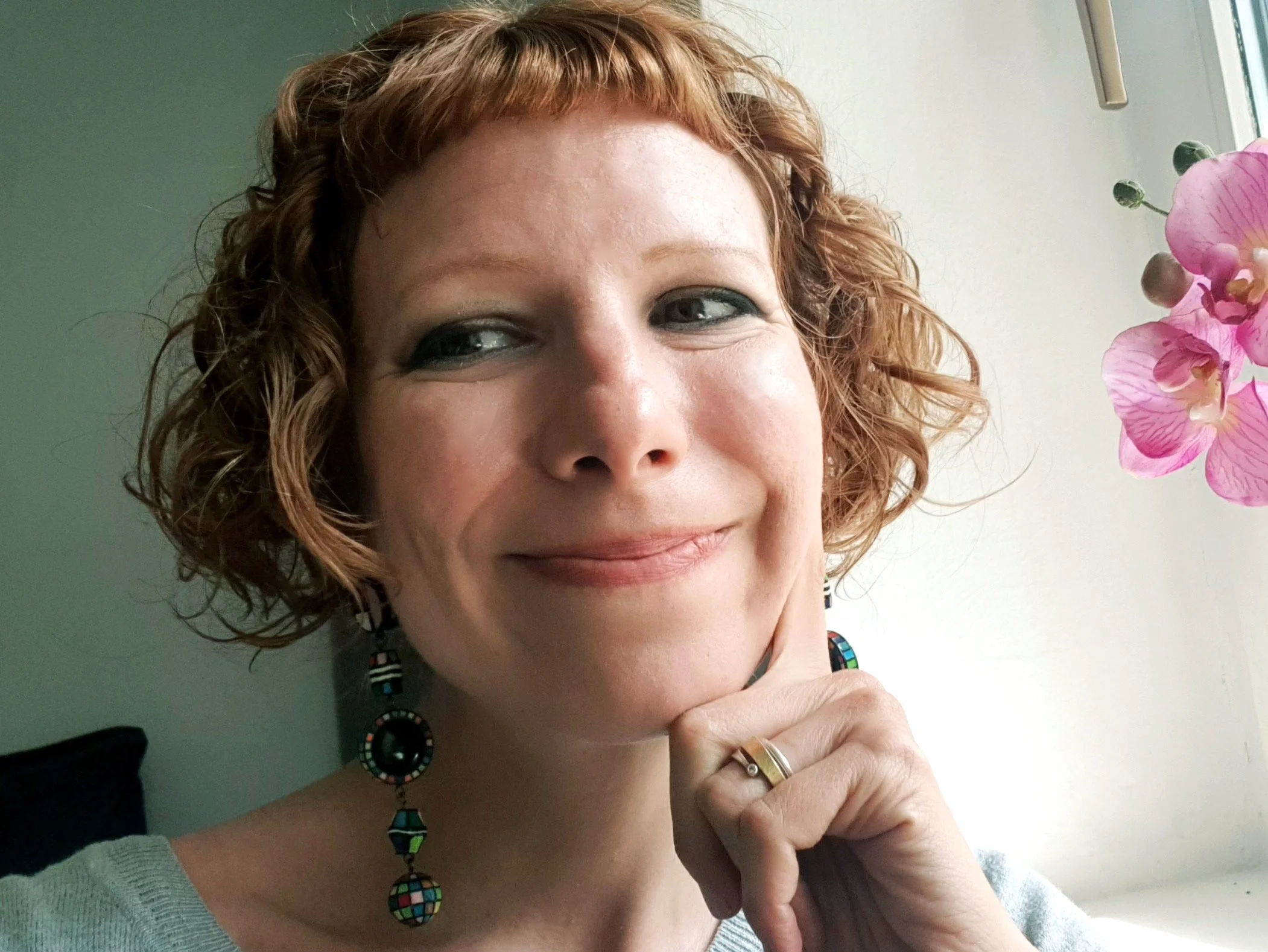
Lucia Mieli
CLINICAL PSYCHOLOGIST & PSYCHOTHERAPIST
Approach: Attachment Based, IFS, Developmental Psychology
Availability: Online
Specialisms: Attachment, Parent work, Perinatal Psychology, Trauma, PTSD and Complex PTSD, Anxiety & Low Mood
-

Anita Jacob
PSYCHOTHERAPIST & COUPLES THERAPIST, EMDR THERAPIST
Approach: Psychodynamic, Humanistic, Attachment Based, EMDR
Availability: Online
Specialisms: Infidelity and Affair Recovery, Relational Trauma, Family Estrangement and Reconciliation, Cross-Cultural Relationships and Christian Couples
