Trauma Informed Therapy at Heathwell
WHAT DOES TRAUMA-INFORMED THERAPY MEAN?
A trauma-informed approach recognises that distressing experiences can affect how you respond to people, manage emotions and experience safety long after those experiences have ended. It considers how reactions such as withdrawing, staying constantly alert or finding it difficult to trust may have developed in response to what happened.
Trauma-informed practice is a way of approaching therapy rather than a single therapeutic method. A psychodynamic, integrative, relational or art psychotherapist, for example, may work in a trauma-informed way. Their underlying approach still shapes the therapy they offer.
The emphasis is on understanding the effects of trauma, making the therapeutic relationship sufficiently safe and predictable, and supporting your ability to make choices about the work. Being trauma-informed does not automatically mean that a practitioner offers a specific trauma treatment such as EMDR. Their profile should explain their training and experience.

How trauma can affect everyday life
Following overwhelming experiences, responses that helped you cope may continue when circumstances change. Someone who lived with unpredictable anger might become highly attentive to changes in another person’s tone. Someone whose boundaries were repeatedly ignored might agree automatically, then recognise later that they felt uncomfortable.
Other responses can include feeling emotionally numb, avoiding reminders, struggling to sleep or becoming overwhelmed during disagreement. These experiences can affect work, friendships, parenting and intimate relationships.
Trauma can follow a single event, such as an assault or serious accident, or repeated experiences such as childhood abuse, neglect, coercive control or narcissistic abuse. In relational trauma, the person who should offer care or security may also be a source of fear, humiliation or rejection. This can make closeness itself feel complicated.
A trauma-informed perspective asks what a response may have helped you manage and whether it still serves you. It also considers present circumstances. Feeling unsafe may relate to earlier experiences, but it may also reflect something harmful that is happening now.
What makes an approach trauma-informed?
Trauma-informed therapy gives attention to how the work is offered, including the balance of power between therapist and client. Clear arrangements, understandable explanations and opportunities to ask questions can matter particularly when someone has experienced control or unpredictability.
Choice and collaboration mean having a voice in the focus and pace of therapy. You should be able to discuss what feels manageable, express disagreement and ask why a particular direction is being suggested.
Pacing involves recognising that approaching difficult experiences too quickly can become overwhelming. Understanding how you respond to distress and what helps you regain a sense of steadiness may be important before exploring some material.
Attention to boundaries includes respecting privacy, explaining professional arrangements and taking concerns about the therapeutic relationship seriously. A difficulty trusting the therapist should be approached with curiosity rather than treated as a failure to cooperate.
Awareness of context means considering the circumstances surrounding an experience, including family relationships, discrimination, culture, disability and access to support. This helps avoid placing responsibility on an individual for harm caused by others.
These principles can inform different types of therapy. They do not prescribe one set of techniques or mean that every practitioner works in the same way.
Why choose a trauma-informed therapist?
A trauma-informed approach may be relevant if you want help with the effects of difficult experiences but feel apprehensive about therapy. You might worry about being pressured to disclose details, having your reactions misunderstood or losing control of the conversation.
Reasons for seeking support can include:
Remaining alert to signs of anger, rejection or danger.
Finding it difficult to trust your judgement after manipulation or gaslighting.
Feeling numb, detached or overwhelmed in situations involving closeness.
Shame or self-blame about experiences in which you were harmed.
Automatically agreeing, appeasing or taking responsibility for others.
Strong reactions to reminders of abuse, accidents or other distressing events.
Difficulties with boundaries, intimacy or feeling safe in relationships.
Anxiety, low mood or low self-esteem connected with earlier experiences.
You do not need a PTSD diagnosis to discuss these concerns. Equally, not every emotional or relationship difficulty needs to be understood as trauma. A careful assessment considers your particular experience and what kind of support is appropriate.
Trauma-informed therapy and trauma-focused treatment are related but different. The first describes principles that guide the work; the second directly addresses trauma-related memories and symptoms through a particular treatment. Some people need focused treatment, while others want broader psychotherapy for the effects on identity, relationships and everyday life.
Trauma-informed therapy at Heathwell
Our practitioners’ profiles explain their therapeutic approaches, relevant trauma training and clinical experience. This can help you identify someone with knowledge of the concerns you want to address, including relational trauma, narcissistic abuse recovery, betrayal trauma or difficulties affecting children and young people.
Some practitioners offer specific trauma treatments, including EMDR, while others draw on talking therapy, art psychotherapy or other approaches. The age groups and services available vary between practitioners.
Appointments are available in Blackheath Village, near Greenwich and Lewisham, and online across the UK and internationally, depending on the therapist.
Contact Heathwell to discuss what you are looking for, ask about relevant experience or arrange an initial consultation.
-

Elena Miari
COUPLES THERAPIST & PSYCHOTHERAPIST
Approach: Existential, Imago Integrative
Availability: In person & Online
Specialisms: Infidelity & Betrayal Trauma, Mixed Neurotype Couples, Relational Trauma, Couples Intensives
-

Ricardo da Costa
PSYCHOTHERAPIST
Approach: Psychodynamic
Availability: In person & Online
Specialisms: Attachment, Adolescent Therapy, Parent work, Addictions, Childhood Trauma, Anxiety and Depression
-

Sarah Bastianello
PSYCHOTHERAPIST
Approach: Psychodynamic
Availability: In person & Online
Specialisms: Early Attachment, Adolescent Therapy, Relational Difficulties, Infidelity & Betrayal Trauma, Low mood, Childhood trauma, Supporting parents with children who have additional needs.
-
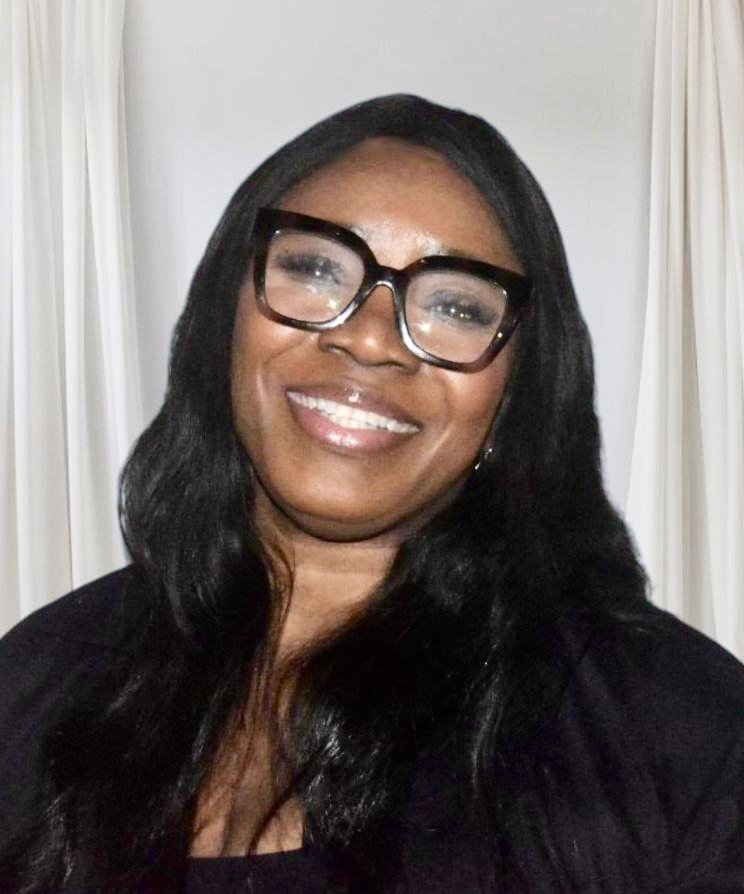
Trish Riley
PSYCHOSEXUAL & RELATIONSHIP PSYCHOTHERAPIST
Approach: Psychosexual & Relational
Availability: In person & Online
Specialisms: High and low sexual desire, Communication challenges, Erectile difficulties, Vaginismus, Dyspareunia, Orgasm problems, Depression, Sex anxiety, Attachment issues, Narcissistic Abuse
-

Dr. George Samoilis
PSYCHOLOGIST
Approach: Integrative, Psychodynamic, Relational
Availability: In person
Specialisms: Male mental health, LGBTQI+, Neurodiversity (Autism & ADHD), Anxiety, Depression
-

Kellie High
ART THERAPIST, PSYCHOTHERAPIST & SUPERVISOR
Approach: Art therapy, Psychodynamic, Trauma Informed, Attachment Based
Availability: In person & Online
Specialisms: Trauma and Emotional Wellbeing, Women’s mental health, Children’s Mental Health, Learning difficulties, Life transitions
-

Arran Knight
COUNSELLOR & COUPLES THERAPIST
Approach: Psychosynthesis, Transpersonal
Availability: In person & Online
Specialisms: Men’s mental health, Infidelity & Betrayal Recovery, Men’s groups, Existential Issues and Life Transitions
-

Poppy Oldham
ART THERAPIST, PSYCHOTHERAPIST & SUPERVISOR
Approach: Art therapy, Psychodynamic
Availability: In person & Online
Specialisms: Teen counselling, Neurodiversity, LGBTQIA+ Identities, Individuals who hear voices, see visions and hold unusual beliefs
-
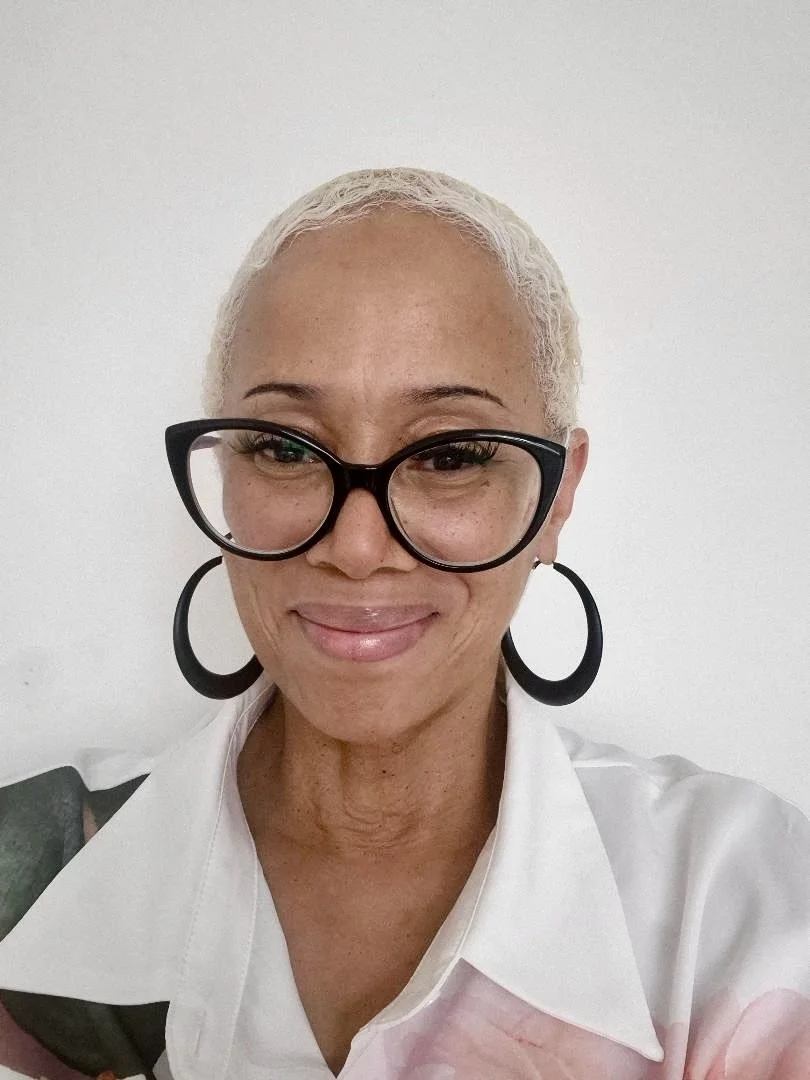
Marcia Edwards
ADOLESCENT & FAMILY THERAPIST, PSYCHOTHERAPIST
Approach: Integrative
Availability: In person & Online
Specialisms: Complex Trauma, Attachment & Early Relational Experiences, Family court related stress, Parenting support and parent infant bonding, Communication difficulties, Emotional distance
-

Sabrina Ali-Bradshaw
CBT PSYCHOTHERAPIST, EMDR THERAPIST & SUPERVISOR
Approach: CBT & EMDR
Availability: In person & Online
Specialisms: Trauma, PTSD, Anxiety, Depression, Self-esteem, Imposter Syndrome, Women’s Mental Health, Menopause, PMDD
-

Ben Dustin
PSYCHOTHERAPIST & COUPLES THERAPIST
Approach: Transactional Analysis
Availability: In person & Online
Specialisms: Men’s mental health, Relationships, Communication, Self-Esteem, Self-Confidence and Imposter Syndrome, Anxiety, Depression and Emotional Wellbeing
-
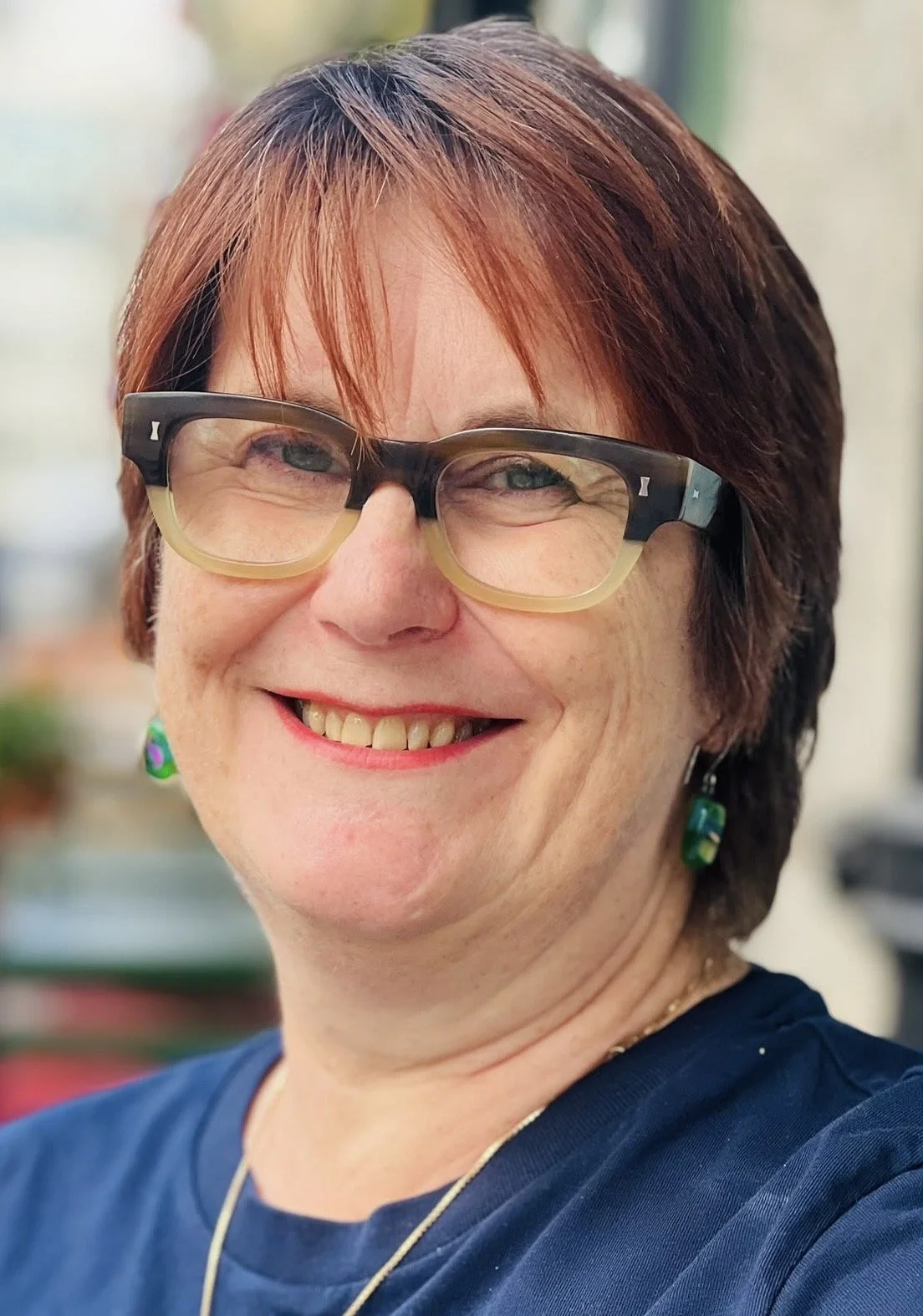
Emma Nagle
PLAY THERAPIST
Approach: Play therapy
Availability: In person
Specialisms: Neurodivergent Children, Parent and Child Attachment Work, Trauma, Domestic Abuse, Safeguarding, Anxiety, Anger and Emotional Regulation
-

Gemma Capocci
COUNSELLOR & PSYCHOTHERAPIST
Approach: Person-centred, Acceptance and Commitment Therapy (ACT), Compassion-Focused Therapy (CFT)
Availability: In person & Online
Specialisms: Perinatal Mental Health, Motherhood, Identity and Emotional Wellbeing, Pregnancy, Birth and Birth Trauma, Women’s Mental Health
-
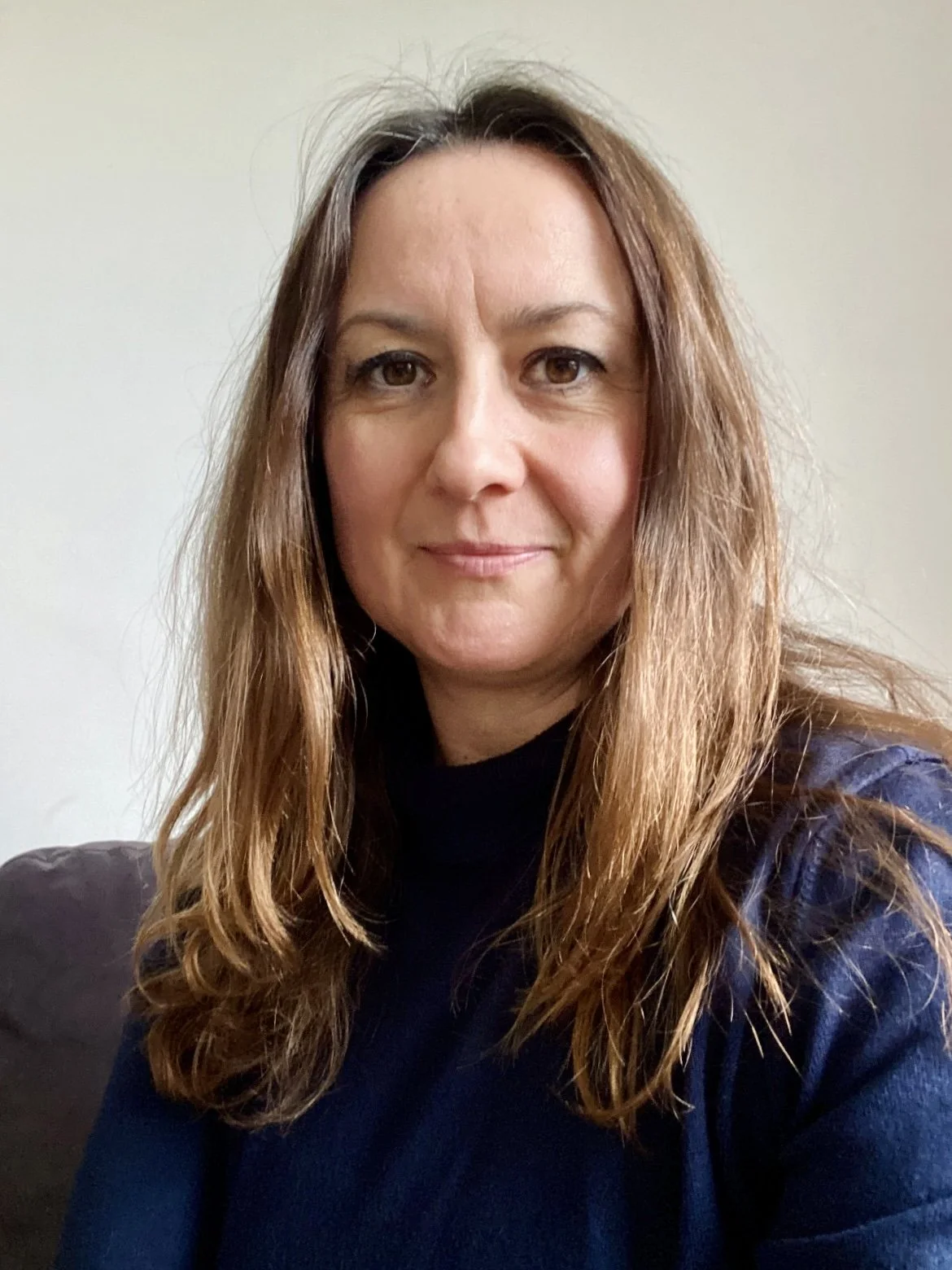
Jessica Di Mascio
COUNSELLOR & EMDR THERAPIST
Approach: Integrative & EMDR
Availability: In person & Online
Specialisms: Trauma, EMDR (Children & Adults), Attachment, Childhood Experiences, Perfectionism, Performance Anxiety, Neurodivergence, Identity, Self-Acceptance
-

Dr. Funmi Deinde
PSYCHOTHERAPIST
Approach: Dynamic Interpersonal Therapy (DIT)
Availability: Online
Specialisms: Autism, Relationship Problems, Depression, Anxiety, Low Mood, Older Adults’ Mental Health, Women’s Mental Health, Global Majority Communities’ Mental Health
-

Kelly Andrews
PSYCHOTHERAPIST
Approach: Psychodynamic and trauma informedAvailability: Online
Specialisms: Narcissistic abuse, Narcissistic parenting, Relational trauma, Emotional neglect, Low self worth
-

Marina O'Connor
COUPLES & RELATIONSHIP THERAPIST
Approach: Transactional Analysis and Relational Life Therapy
Availability: Online
Specialisms: Neurodivergent & Mixed Neurotype Relationships, High Conflict Couples, Leadership & High-Performing Couples, Intercultural Relationships, Infidelity Recovery
-
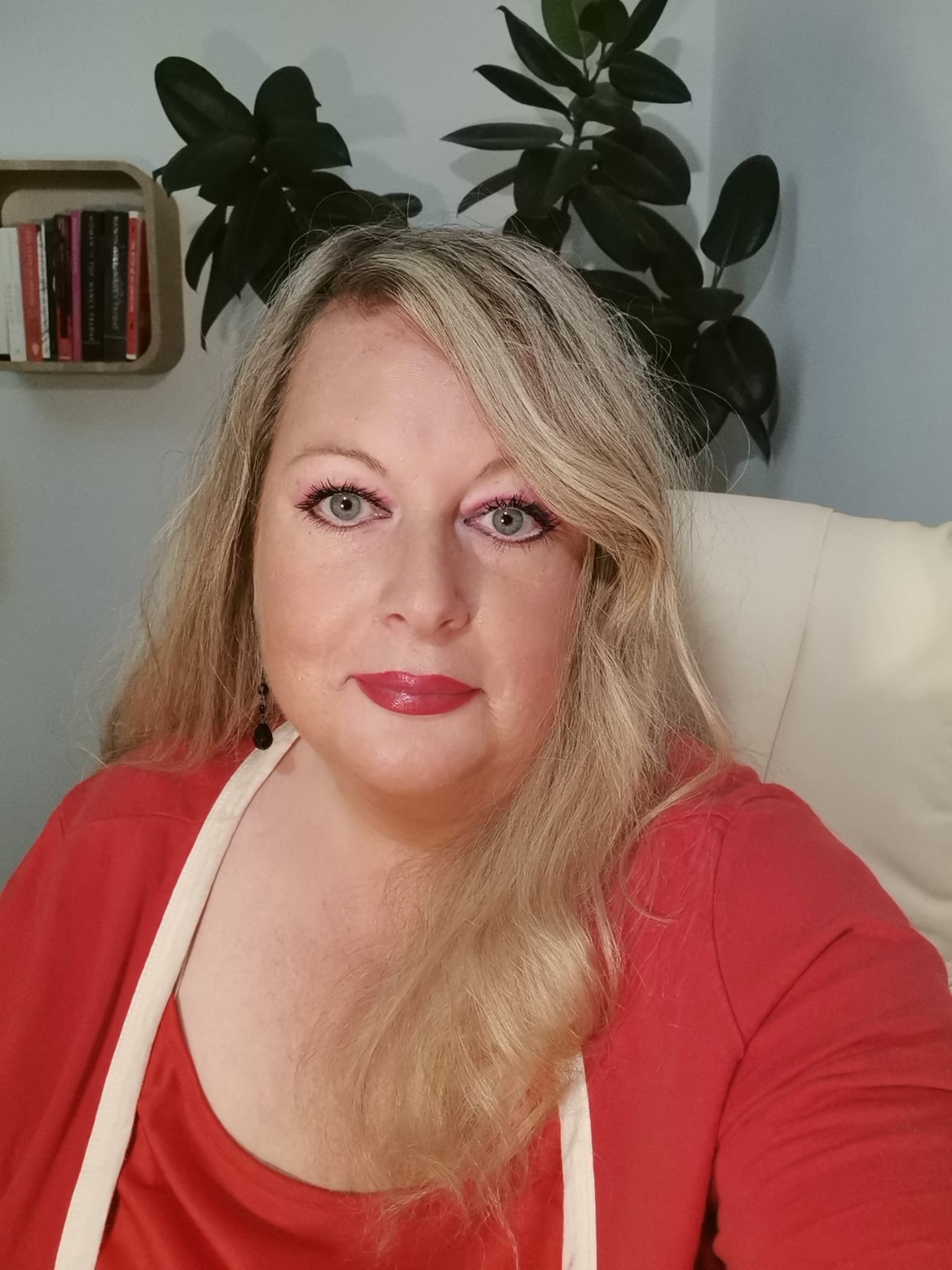
Jacqueline Jones
PSYCHOSEXUAL & RELATIONSHIP. THERAPIST, CLINICAL SEXOLOGIST
Approach: Clinical Sexology, Relationship Therapy, Psychosexual
Availability: Online
Specialisms: Couples in Crisis, Infidelity Repair, Women's Sexual Health and Wellbeing, Psychosexual Therapy, Problematic Pornography
-

Jade Flello
PSYCHOTHERAPIST
Approach: Integrative, Trauma Informed
Availability: Online
Specialisms: Narcissistic Abuse and Repeated Relationship Patterns, Domestic and Sexual Abuse Recovery
-

Frances Carpenter
PSYCHOTHERAPIST
Approach: Transactional Analysis, Trauma Informed, Integrative
Availability: Online
Specialisms: Narcissistic Abuse, Post Separation Abuse, Childhood Narcissistic Abuse & Emotionally Unavailable Parenting
-

Edu Hardy
COUPLES THERAPIST & PSYCHOTHERAPIST
Approach: Humanistic & Integrative
Availability: Online
Specialisms: Neurodiversity, Neurodiverse and Mix Neurotype Couples, Expat Support
-

Genevieve Walters
COUPLES & RELATIONSHIP THERAPIST & PSYCHOTHERAPIST
Approach: Narative Therapy, Person Centered Therapy, Integrative
Availability: Online
Specialisms: Infidelity and betrayal trauma, Narcissistic Abuse, Relational Trauma
-
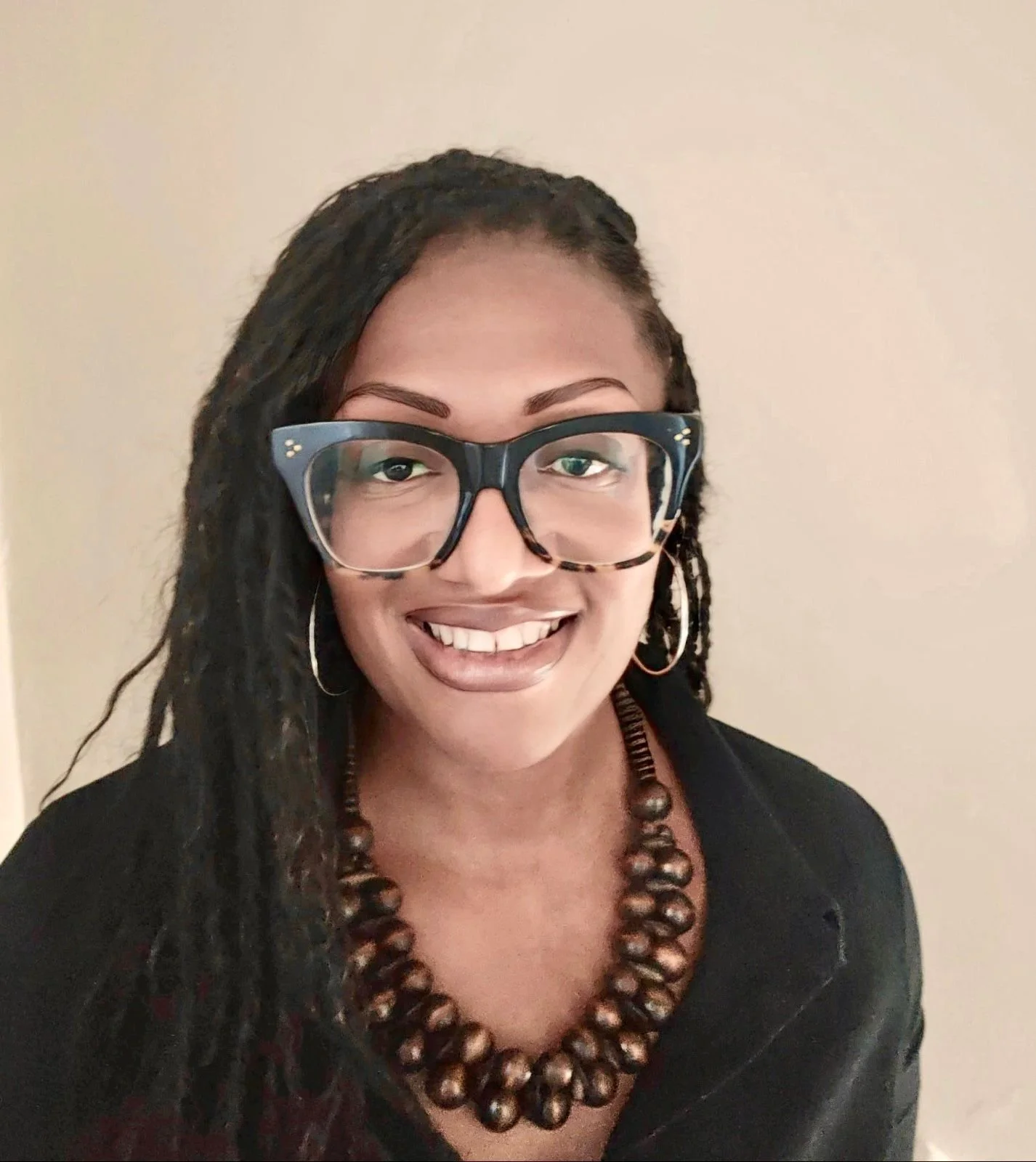
Charisse Peters
COUPLES & PSYCHOSEXUAL THERAPIST, ADHD COACH
Approach: Integrative, Psychodynamic, Attachment Based
Availability: Online
Specialisms: Communication, Neurodiverse and Mixed Neurotype Relationships, ADHD, LGBTQI+ and Gender Diverse Relationships, Cross-cultural & Interracial Couples
-

Eleanor Wolfe
COUPLES & RELATIONSHIP THERAPIST
Approach: Integrative, Attachment Based
Availability: Online
Specialisms: ADHD, Neurodiversity, and Mixed Neurotype Relationships, Attachment Difficulties, Postpartum and Fertility-Related Difficulties
-

Shannon Kelly
PSYCHOTHERAPIST & COUPLES THERAPIST
Approach: Integrative
Availability: Online
Specialisms: Neurodivergent and ADHD Relationships, LGBTQIA+, GSRD-Aware and Non-Monogamous Relationships, Communication and Relationship Difficulties
-

Rachael Ward
PSYCHOTHERAPIST & COUPLES THERAPIST
Approach: Systemic, Relational, Family Therapy
Availability: Online
Specialisms: Infidelity & Betrayal, Shame, Relationship Repair, Communication, Couples Therapy for Depression, Intimacy, Psychosexual Difficulties,Emotional Disconnection
-

Julio Cervantes
PSYCHOTHERAPIST & COUPLES THERAPIST
Approach: Person Centred, Integrative, Solution Focused
Availability: Online
Specialisms: Expat & International Clients, Family Therapy, LGBTQ+ Relationships, Ethical Non-Monogamy, Polyamory, Anxiety, Low Mood and Life Transitions
-
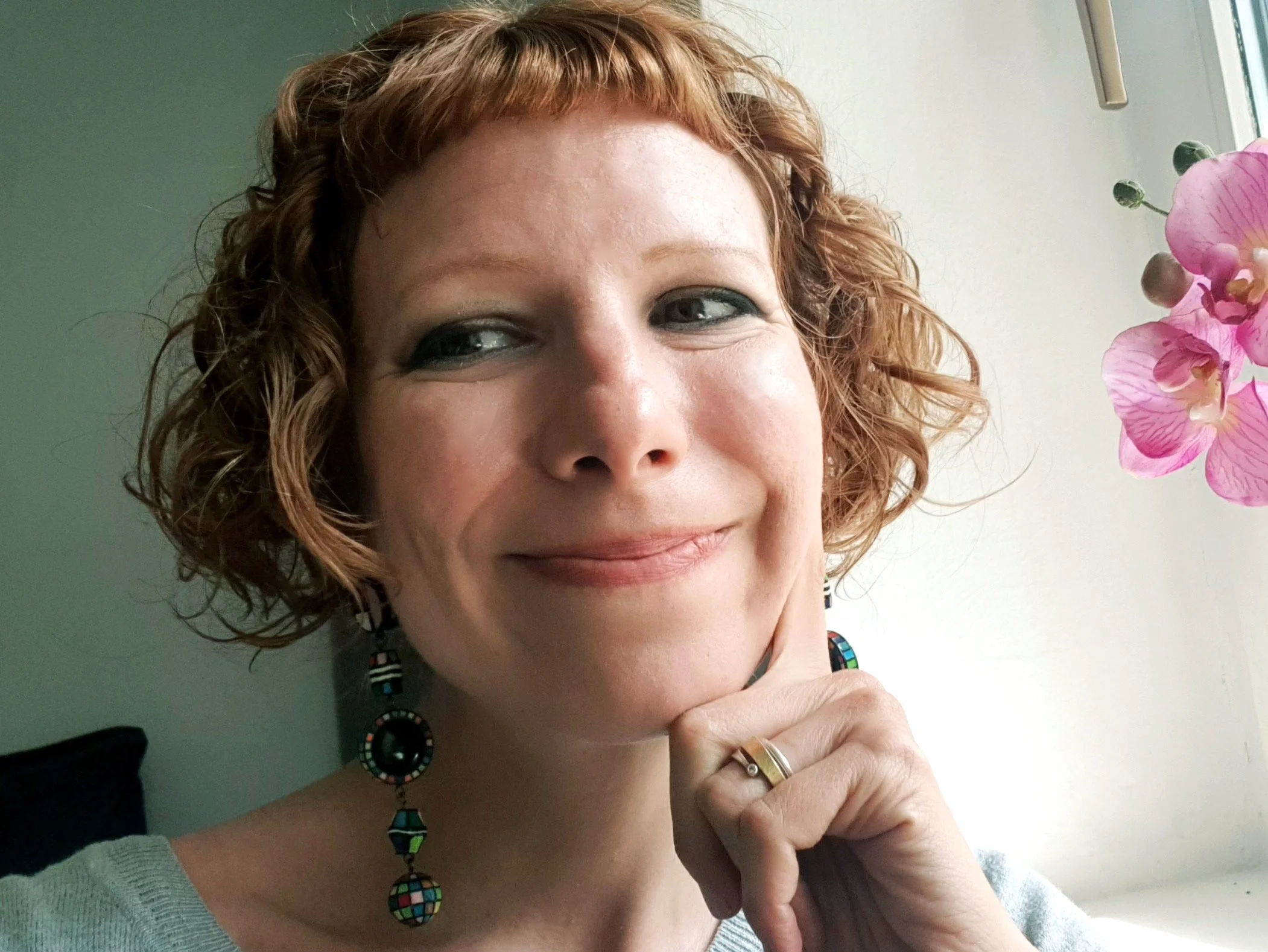
Lucia Mieli
CLINICAL PSYCHOLOGIST & PSYCHOTHERAPIST
Approach: Attachment Based, IFS, Developmental Psychology
Availability: Online
Specialisms: Attachment, Parent work, Perinatal Psychology, Trauma, PTSD and Complex PTSD, Anxiety & Low Mood
-
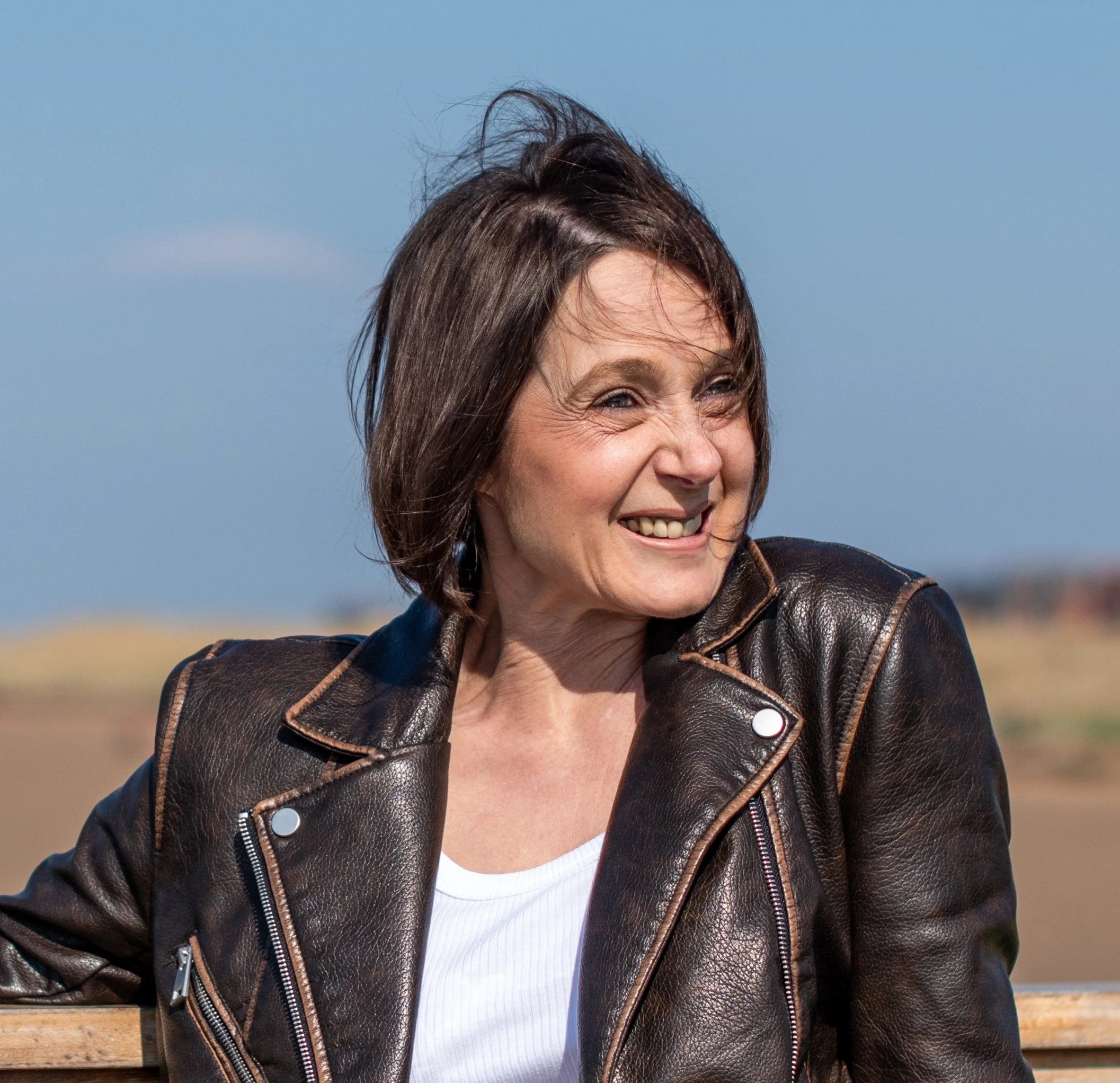
Vicky Ashraf
COUNSELLOR & COUPLES THERAPIST
Approach: Integrative, Imago
Availability: Online
Specialisms: Mixed-Neurotype Couples Therapy, Couples and Relationship Therapy, ADHD Therapeutic Coaching, Self-Esteem, Overwhelm and Relationship Patterns
-

Elaine Nicholson MBE
CONSULTANT PSYCHOTHERAPIST & COUPLES THERAPIST
Approach: Relational, Body Psychotherapy
Availability: Online
Specialisms: Autism and Neurodivergence, Neurodivergent Couples and Relationships, Attachment, Estrangement and Family Relationships, Trauma and Body Psychotherapy, Autistic Burnout, Anxiety and Shutdown
-
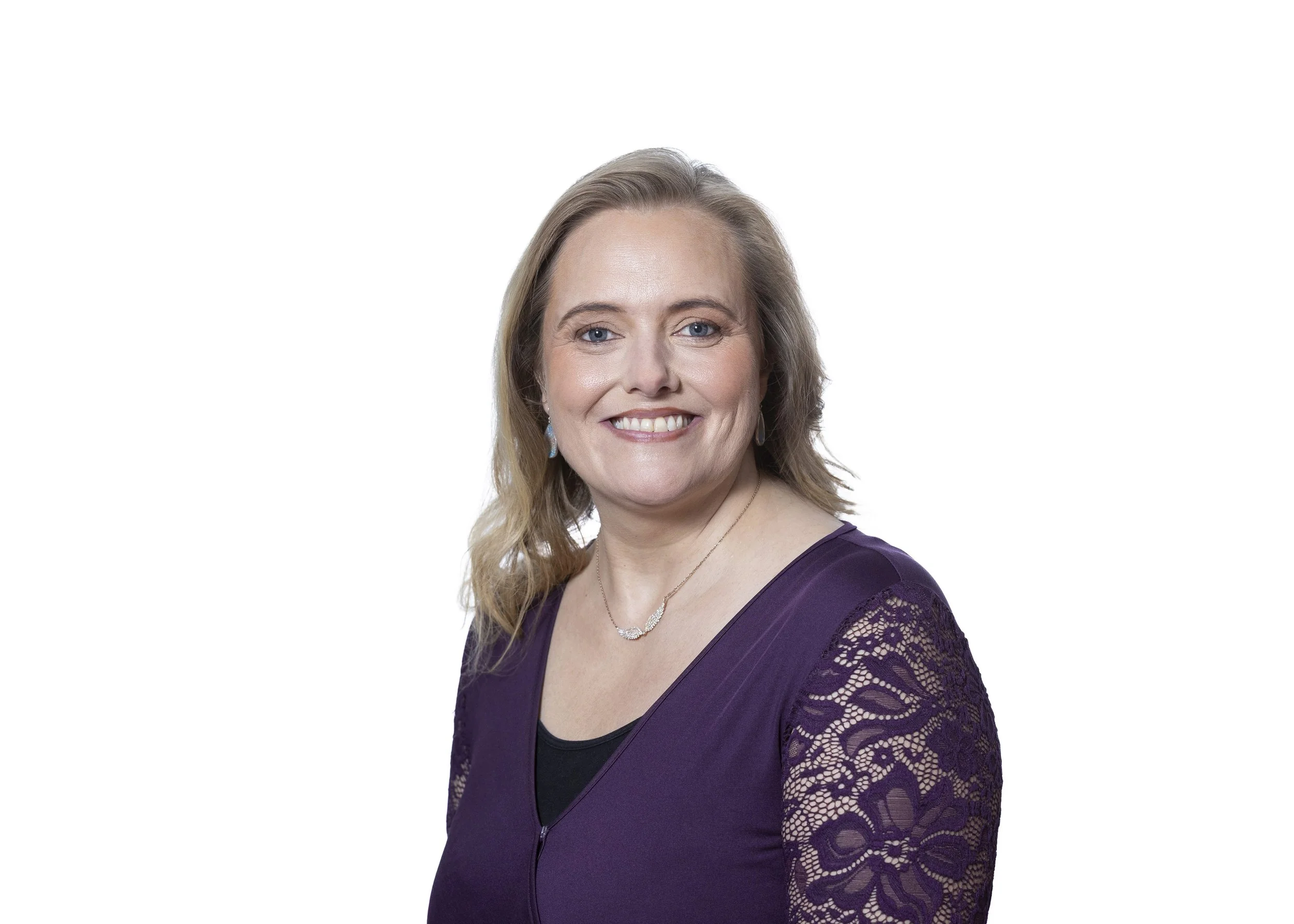
Ger Dunne
PSYCHOTHERAPIST
Approach: Person-centred, Neuro-affirming,
Availability: Online
Specialisms: Autism and Neurodivergence, Masking, Autistic Burnout, Anxiety, Emotional Regulation, Relationships, Workplace Stress and Wellbeing
-

Anita Jacob
PSYCHOTHERAPIST & COUPLES THERAPIST, EMDR THERAPIST
Approach: Psychodynamic, Humanistic, Attachment Based, EMDR
Availability: Online
Specialisms: Infidelity and Affair Recovery, Relational Trauma, Family Estrangement and Reconciliation, Cross-Cultural Relationships and Christian Couples
-
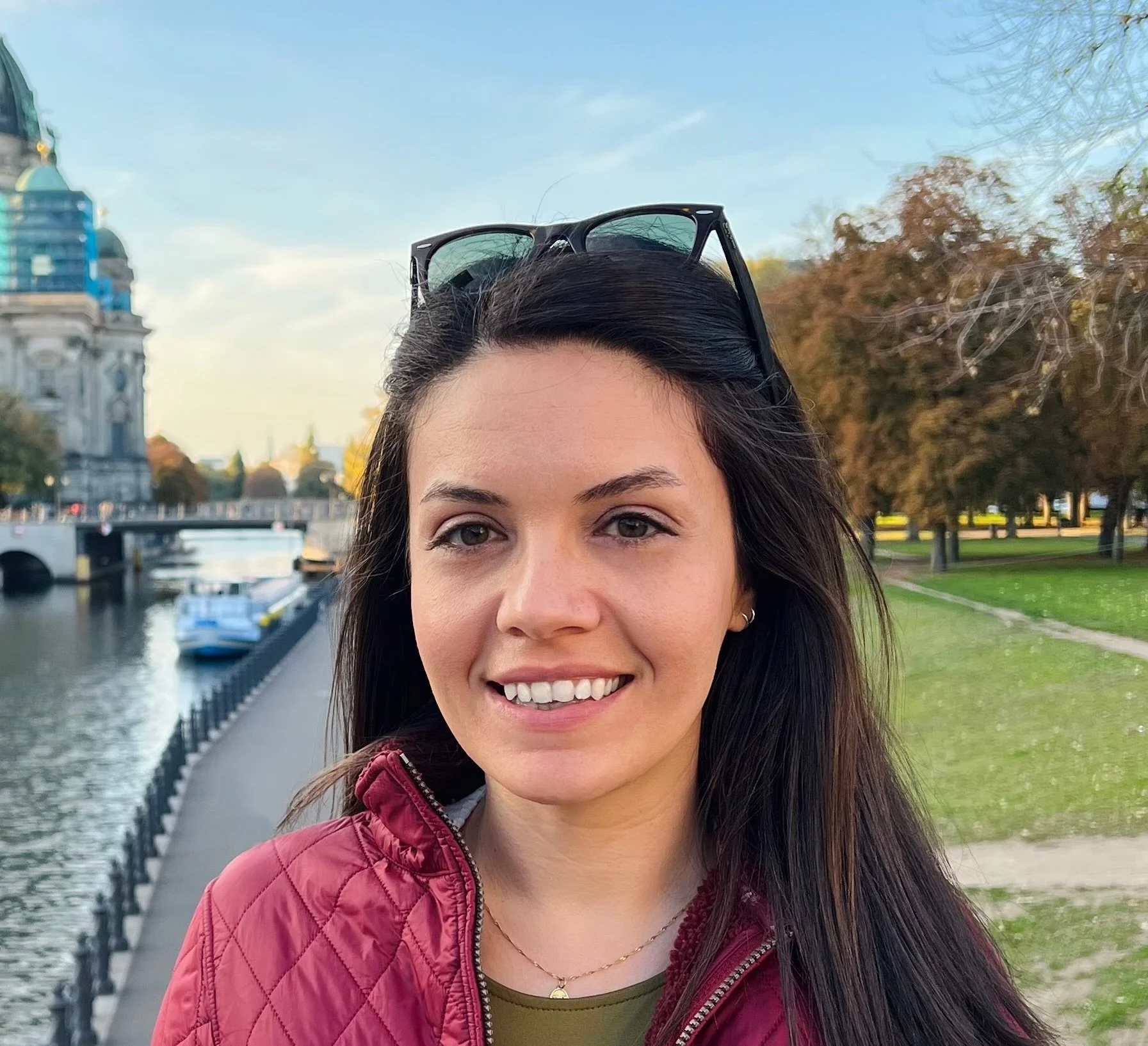
Muby Oztabay
PSYCHOTHERAPIST, COUPLES THERAPIST & SUPERVISOR
Approach: Integrative
Availability: Online
Specialisms: Adult Children of Narcissistic Parents and Narcissistic Abuse, Boarding School Syndrome and Ex-Boarder Psychotherapy,Relationship Therapy
